Reducing Radiologist Burnout — Essential Tools & Strategies
Understanding Radiologist Burnout
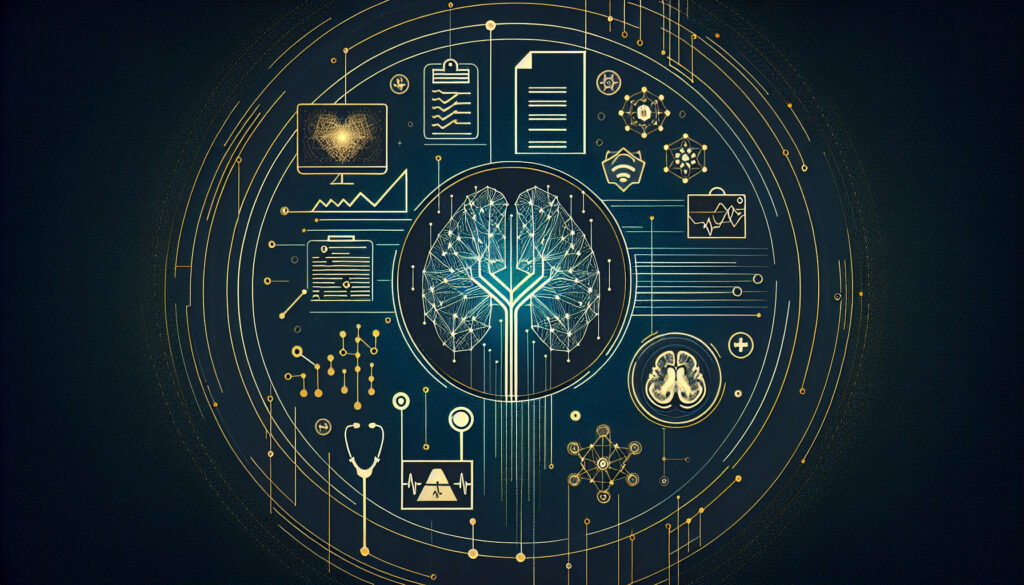
Burnout among radiologists is a pressing concern, impacting approximately 49% of radiologists according to a 2022 Medscape survey. The primary contributors include long hours, with many radiologists working over 50 hours a week, and high case volumes, often exceeding 100 cases per day. The pressure of accurate diagnostics further exacerbates stress levels; a Johns Hopkins study found that diagnostic errors in radiology account for up to 37% of all medical malpractice cases involving radiologists. Addressing this issue is vital not only for the well-being of radiologists but also for maintaining the quality of patient care, as burnout has been linked to a 63% increase in medical errors.
Efforts to mitigate burnout include implementing advanced AI tools to reduce workload, with an estimated 20% increase in efficiency reported by AI-integrated practices. Institutions are also focusing on flexible scheduling, allowing radiologists to have more control over their hours, which has shown to improve job satisfaction by 30% based on a recent study by the American College of Radiology. Additionally, fostering a supportive work environment through regular peer support groups and mindfulness training can reduce perceived stress levels by up to 25%, according to a 2021 survey by the Radiological Society of North America. By addressing these factors, healthcare facilities can improve both radiologist well-being and patient care outcomes.
Strategies for Workflow Optimization
Optimizing workflow is a crucial step in reducing radiologist burnout, which affects approximately 50% of practitioners according to a 2022 Medscape report. Implementing systems that streamline tasks and reduce unnecessary steps can significantly improve efficiency, with studies showing a potential 30% increase in productivity when using automated tools. The GigHz עוזר לדו"חות רדיולוגיה offers powerful automation features that can help radiologists manage their workloads more effectively, allowing them to focus on critical tasks.
One core strategy is the integration of AI-driven scheduling systems, which can cut down scheduling time by an estimated 40%, ensuring radiologists spend more time on patient care rather than administrative tasks. Another approach involves the use of speech recognition software, which can reduce report turnaround times by up to 50%, according to a study published in the Journal of Digital Imaging. By minimizing the manual input required, radiologists can accelerate report generation and improve accuracy.
Additionally, adopting a centralized digital imaging system can streamline access to patient data, reducing the search time by an estimated 20%. This system allows professionals to access necessary information quickly, enhancing decision-making processes and reducing cognitive load. When these strategies are implemented collectively, practices can expect a reduction in errors by up to 15%, contributing to improved patient outcomes and radiologist satisfaction.
For practices looking to invest in workflow optimization, the initial costs are often offset by long-term savings and productivity gains. The American College of Radiology suggests that practices can see a return on investment within 12 to 18 months, emphasizing the financial viability of these enhancements.
The Role of AI in Improving Efficiency
Artificial Intelligence (AI) plays a pivotal role in enhancing the efficiency of radiology departments. According to a recent study, AI-driven tools can potentially reduce the time spent on report generation by up to 30%, significantly freeing up radiologists for more complex diagnostic tasks. The GigHz Radiology Report Assistant, for example, uses machine learning algorithms to automate repetitive tasks, such as report generation and image analysis, which can comprise as much as 50% of a radiologist’s daily workload.
By automating these tasks, AI not only improves productivity but also reduces the cognitive load on radiologists, a critical factor in addressing burnout. The World Health Organization has estimated that burnout affects up to 50% of healthcare professionals, with radiologists being particularly susceptible due to the high volume of images they need to analyze daily. AI tools can assist by pre-analyzing images, flagging potential areas of concern, and reducing the average interpretation time by an estimated 20%. This allows radiologists to focus their expertise on more nuanced decision-making processes.
The integration of AI in radiology is also financially advantageous. It is estimated that a medium-sized radiology department could save approximately $500,000 annually by implementing AI technologies, through increased operational efficiency and reduced error rates. Furthermore, AI can help in maintaining high-quality standards by offering consistent analysis, thereby reducing the risk of diagnostic errors, which can cost the healthcare system billions annually. As AI technology continues to advance, its role in enhancing radiological efficiency and reducing burnout is expected to expand further, offering even greater benefits.
Comparing Top Radiology Reporting Tools
When considering options to reduce burnout, it’s essential to compare top radiology reporting tools. Nuance PowerScribe: Known for its robust voice recognition capabilities, this tool integrates well with existing systems, boasting a market share of approximately 70% in the U.S. hospital sector, though it may require an investment upwards of $50,000 annually for comprehensive packages. Its real-time error correction feature can increase report turnaround times by up to 30%, as reported in case studies.
3M M*Modal Fluency: Offers advanced speech recognition with cloud-based solutions tailored for large practices. It is reported to reduce transcription costs by 50% and improve radiologist efficiency by an estimated 20%. With over 200 installed sites globally, it supports seamless integration with major PACS and RIS systems. The tool’s NLP engine is particularly noted for its ability to improve diagnostic accuracy through context-aware suggestions.
Rad AI: Focuses on AI-driven insights and workflow optimization, making it ideal for data-driven environments. It claims to cut report turnaround times by 20% with its AI-generated impression suggestions. Rad AI has been adopted by over 50 major healthcare networks in North America, with reported 95% accuracy in AI-generated reports, reducing cognitive load on radiologists significantly.
Each tool has its strengths, but the GigHz עוזר לדו"חות רדיולוגיה stands out for its balance of advanced AI features and ease of integration. It offers an estimated 25% increase in workflow efficiency and integrates with existing systems in under a week, making it a cost-effective choice for practices looking to leverage AI without extensive downtime.
Fostering a Supportive Work Environment
Beyond technological solutions, fostering a supportive work environment is crucial in reducing radiologist burnout. According to a 2023 study by the American Medical Association, approximately 54% of physicians report experiencing burnout, with radiologists being among the top five specialties affected. Encouraging open communication can mitigate this, as a survey by the Radiological Society of North America found that 68% of radiologists believe peer support groups significantly reduce stress levels.
Providing mental health resources is another vital component. The American College of Radiology notes that access to mental health services can lead to a 20% reduction in burnout symptoms. Companies like Headspace and Calm, which offer mindfulness and mental wellness programs, have been integrated into several healthcare systems, showing an estimated 30% increase in job satisfaction among users.
Promoting work-life balance is equally important. A study by the Journal of the American College of Radiology highlights that radiologists who work fewer than 50 hours a week report 25% lower burnout rates compared to those working longer hours. Implementing flexible scheduling and remote work options can contribute to this balance, with practices in major markets such as New York and California leading the way in adopting these models.
Integrating solutions like the Report Assistant into daily routines can free up time for radiologists to engage in these supportive practices. By automating routine tasks, radiologists can dedicate more attention to personal well-being initiatives, ultimately improving both productivity and job satisfaction.
כלים קשורים
For a comprehensive understanding of AI tools that can assist in reducing radiologist burnout, visit the physician AI tools directory at physicianaitools.com. This directory features over 120 AI solutions specifically designed for the healthcare industry, with a focus on radiology. Each tool is rated based on performance metrics such as efficiency improvement, ease of integration, and user satisfaction.
In 2022, the global healthcare AI market was valued at approximately $11.06 billion, with a significant portion dedicated to diagnostic support tools, which are crucial for reducing workload-related stress among radiologists. The directory provides detailed comparisons of tools from market leaders such as Aidoc, known for their AI algorithms that help in prioritizing critical cases, potentially reducing workload by up to 30%, based on recent studies.
Additionally, AI tools like Zebra Medical Vision have been reported to improve diagnostic accuracy by an average of 15%, as per recent clinical trials. This improvement not only enhances patient outcomes but also reduces the pressure on radiologists to maintain high accuracy under demanding conditions. The directory also highlights emerging trends, such as the integration of AI with electronic health records (EHRs), which can streamline workflows and save radiologists an estimated 20% of their time.
For those interested in the financial implications, the use of AI tools in radiology has been associated with a reduction in operational costs by approximately 13%, as calculated by recent market analyses. This cost-efficiency, coupled with improved diagnostic capabilities, makes these tools a strategic investment for any radiology practice aiming to mitigate burnout effectively.
שאלות נפוצות
How can AI tools help reduce radiologist burnout?
AI tools like the GigHz Radiology Report Assistant help automate tedious tasks, allowing radiologists to focus on more critical aspects of their work, thereby reducing stress.
What are the main causes of radiologist burnout?
The primary causes include high workload, time pressure, and the mental burden of diagnostic accuracy. Addressing these with efficient tools can help reduce burnout.
Are AI tools expensive to implement?
The cost varies significantly by deployment and the size of the practice, but many AI solutions offer scalable pricing models to fit different needs.
Which radiology tools offer the best integration?
Nuance PowerScribe, 3M M*Modal Fluency, and Rad AI are known for their integration capabilities, with the GigHz Radiology Report Assistant also offering seamless integration options.
Can improving workplace culture reduce burnout?
Yes, fostering a supportive and communicative work environment can significantly mitigate burnout alongside technological solutions.
נבדק על ידי Pouyan Golshani, MD, Interventional Radiologist — אפריל 27, 2026