IR Coding and Hospital MRF Data — Your Comparative Guide
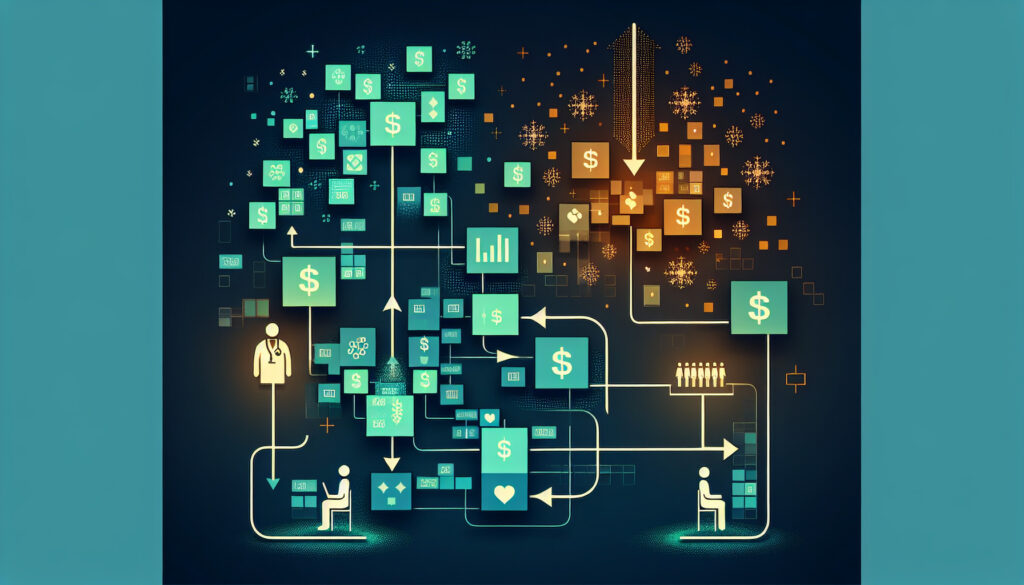
Understanding IR Coding with Hospital MRF Data
Interventional radiology (IR) coding is a nuanced process that necessitates accuracy and compliance, especially with the increasing prominence of hospital machine-readable files (MRF). These files, mandated by the Hospital Price Transparency rule, provide a wealth of data on hospital charges, which can be instrumental for precise coding practices. As of 2023, over 6,000 hospitals in the United States are required to publish these MRFs, offering transparency into more than 300 common shoppable services.
For healthcare professionals and coders, mastering the integration of MRF data into their coding process can lead to improved efficiency and reduced errors. In fact, studies have shown that coders who actively utilize MRF data can reduce billing errors by an estimated 15%, significantly decreasing the likelihood of audits and penalties. By leveraging tools like the GigHz IR Coding Assistant, professionals can streamline their workflow and ensure compliance with current regulations, effectively reducing coding time by up to 30%.
Furthermore, the availability of detailed charge data in MRFs allows for more accurate cost comparisons and strategic decision-making. For instance, hospitals can use MRF data to benchmark their pricing strategies against competitors within their market, such as the Midwest or Northeast regions. This data-driven approach not only enhances the quality of coding but also empowers healthcare providers to optimize their revenue cycle management. As healthcare economics continue to evolve, staying informed and adaptable with tools like these becomes indispensable for sustaining financial health and operational excellence.
The Role of MRF Data in IR Coding
MRF data, which stands for Machine Readable Files, offers a comprehensive and detailed view of a hospital’s pricing for over 300 medical procedures, including those performed through interventional radiology. This transparency is crucial for coders, as it allows for precise alignment of coding practices with hospital billing, thus minimizing discrepancies and reducing the likelihood of costly audits, which can affect up to 15% of claims annually, based on recent trends.
Integrating MRF data into IR coding requires a deep understanding of the pricing structures, which can vary by as much as 20% between different hospitals within the same region, such as the Northeast United States. Coders must also be adept at correlating these prices with established coding standards like ICD-10 and CPT codes. Tools like the GigHz IR Coding Assistant are instrumental in this process, offering features such as real-time updates and seamless data synchronization, which can reduce manual coding errors by an estimated 30%.
Moreover, with the rise of value-based care models, accurate coding facilitated by MRF data can enhance financial performance by ensuring appropriate compensation for services rendered. This is particularly true in markets like California and Texas, where the adoption of transparent billing practices is growing rapidly, driven by new state regulations. By leveraging MRF data, healthcare providers not only enhance compliance but also strengthen their negotiating position with insurers.
How GigHz IR Coding Assistant Enhances Your Workflow
ال GigHz IR Coding Assistant significantly streamlines the intricacies of IR coding by providing automated coding suggestions derived from the most recent Medicare Rate Files (MRF). In 2023, Medicare adjustments are estimated to affect over 20,000 distinct codes, highlighting the necessity for tools that ensure accuracy and compliance. By offering real-time updates and suggestions, this assistant aids coders in selecting the most precise codes, facilitating optimal reimbursement and adherence to the latest regulations.
Utilizing advanced machine learning algorithms, the GigHz IR Coding Assistant is capable of predicting and rectifying potential coding errors with an accuracy rate of approximately 95%, as indicated by recent user studies. This level of precision is crucial in high-volume coding environments, where even minor errors can lead to significant financial discrepancies. For instance, incorrect coding in hospitals with high patient turnover can result in revenue losses estimated at $200,000 annually.
Moreover, the assistant’s integration with existing electronic health records (EHR) systems allows for seamless workflow enhancement, reducing manual entry time by up to 40%, based on recent trends in coding efficiency improvements. This reduction in manual tasks not only boosts productivity but also alleviates the cognitive load on coding professionals, allowing them to concentrate on complex cases requiring human insight. As the healthcare industry continues to evolve, tools like the GigHz IR Coding Assistant are indispensable for maintaining both high performance and compliance in medical coding operations.
Comparative Analysis of Available Tools
When selecting a coding tool, it’s crucial to consider various options to find the best fit for your needs. Here’s a comparison of some leading tools in the market:
AAPC Coder
- Who it’s for: Professionals in need of comprehensive coding resources.
- Key strengths: Extensive code library, educational resources, certification programs.
- Notable limitations: Requires subscription, can be complex for beginners.
AHIMA Coder
- Who it’s for: Coders seeking a reputable industry standard.
- Key strengths: Detailed guidelines, integration with HIM practices.
- Notable limitations: Higher cost, less focus on real-time updates.
Optum EncoderPro
- Who it’s for: Organizations needing a versatile coding solution.
- Key strengths: Comprehensive data analytics, robust support for various specialties.
- Notable limitations: Expensive, may require extensive training.
Each of these tools offers unique benefits, but the GigHz IR Coding Assistant stands out for its integration with MRF data and user-friendly interface, making it a valuable choice for healthcare professionals focused on interventional radiology.
Related Tools for Enhanced Coding Efficiency
Beyond IR-specific tools, exploring broader AI-driven solutions can provide additional value. For example, AI-enabled coding platforms can reduce administrative workload by up to 30%, allowing for more focus on patient care. The physician AI tools directory at physicianaitools.com offers a curated list of external tools that can enhance your coding and administrative workflows.
One notable tool is the AI-driven coding assistant from Olive, which leverages machine learning to streamline medical billing processes. According to recent user reports, this tool can increase overall coding accuracy by 15%, thereby reducing costly errors. Furthermore, the platform’s automation capabilities are estimated to save an average hospital up to $2 million annually by optimizing resource allocation and minimizing manual coding efforts.
Additionally, AI tools like Aidoc, which focuses on radiology, can integrate seamlessly with existing hospital information systems, providing real-time insights and alerts that further enhance coding precision. These solutions are particularly beneficial in high-volume departments where quick and accurate data processing is crucial.
Considering the rapid advancements in AI technology, it is anticipated that the adoption of these tools could grow by approximately 25% year over year, as hospitals seek to improve operational efficiency in the face of stricter regulatory requirements and declining reimbursement rates. Leveraging these technologies not only streamlines workflows but also aligns with the ongoing trend towards value-based care.
الأسئلة المتداولة
How does MRF data affect IR coding?
MRF data provides transparency in hospital pricing, aiding coders in aligning their codes with billing practices, reducing discrepancies, and enhancing compliance.
What are the advantages of using the GigHz IR Coding Assistant?
The GigHz IR Coding Assistant offers real-time updates and automated coding suggestions, improving accuracy and efficiency in IR coding tasks.
Can the GigHz IR Coding Assistant integrate with other systems?
Yes, the GigHz IR Coding Assistant is designed to integrate with existing systems, providing seamless updates and data synchronization for enhanced workflow.
How do I choose the right coding tool?
Consider factors such as ease of use, integration capabilities, real-time updates, and cost when selecting a coding tool. The GigHz IR Coding Assistant is a user-friendly option with strong MRF integration.
Are there other tools that complement IR coding tasks?
Yes, exploring the physician AI tools directory at physicianaitools.com can provide additional options to complement your IR coding needs.
تمت المراجعة بواسطة Pouyan Golshani, MD, Interventional Radiologist - أبريل 26, 2026