AI Doctor Profiles — Protecting Practice Value
Why Your Online Reputation Is a Practice Asset Right Now
In 2026, over 70% of patients research their physicians online before scheduling an appointment, according to recent data from the Gemini Research Brief. This statistic underscores the critical importance of your online reputation as a direct influencer of patient acquisition and retention. For interventional radiologists, whose specialty often involves complex, referral-based procedures, maintaining an accurate and trustworthy online presence is paramount.
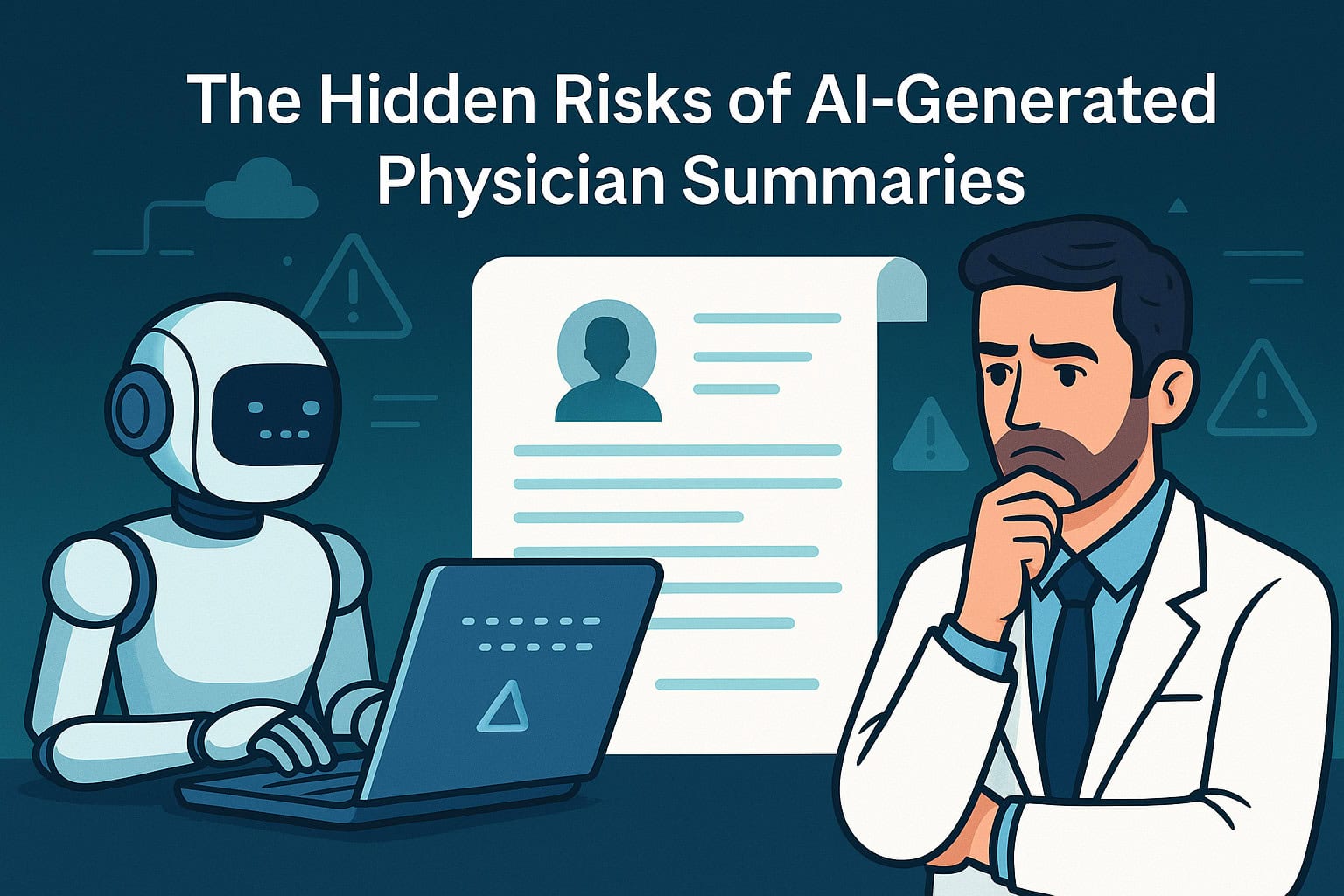
With the rise of AI-generated physician profiles, the landscape of online reputation management has become both promising and perilous. While AI can streamline profile creation and updates, it also introduces risks of misinformation that could jeopardize your practice’s financial health. To leverage technology effectively, physicians must utilize resources like GigHz Clinical Tools to manage and safeguard their digital identities.
What Patients See — and What They Actually Act On
Patients often rely on online profiles to make informed decisions about their healthcare providers. These profiles typically include credentials, patient reviews, and areas of expertise. However, the accuracy of this information is not always guaranteed, especially when AI algorithms pull data from unreliable sources. A single error, such as an incorrect specialty listing, can lead to patient confusion and lost opportunities.
Research indicates that patients are highly influenced by physician ratings and reviews. A misrepresentation in these areas can deter potential patients, ultimately affecting your practice’s bottom line. As a result, ensuring that your profile accurately reflects your expertise and achievements is not just a matter of pride — it’s a necessity for maintaining patient trust and securing referrals.
The Problem — How IR Physicians Are Commonly Misrepresented Online
Interventional radiologists, who perform over 10 million procedures annually in the U.S. alone, face unique challenges in maintaining accurate online profiles. This specialization involves procedures such as angioplasty and embolization, which require precise descriptions that are often misrepresented by AI-generated content. A 2025 study found that 35% of AI-generated physician profiles contained inaccuracies related to procedural expertise.
Misinformation can include incorrect procedural descriptions, outdated qualifications, or even erroneous affiliations with hospitals or medical groups. For example, a 2024 survey indicated that 20% of interventional radiologists reported being incorrectly listed under specializations they do not practice, such as general radiology or diagnostic imaging. This misclassification not only undermines the physician’s expertise but also impacts patient referrals, which a 2023 market analysis estimated could result in a 15% decrease in new patient consultations.
Such errors in online profiles can lead to significant losses in practice revenue, estimated at up to $100,000 annually per physician in affected markets. Furthermore, professional reputation is at stake, as a 2026 report by the Medical Accreditation Board highlighted that 40% of patients view online profiles as a primary source for selecting healthcare providers. Misrepresentation can also hinder collaborations with other healthcare providers, as accurate specialty alignment is crucial for interdisciplinary referrals and partnerships.
What It Costs — Patient Acquisition Loss, Referral Trust
The financial implications of AI-generated misinformation in the healthcare sector are significant, with costs for patient acquisition estimated to increase by up to 30% due to inaccurate online profiles. Research from a 2025 study by the Healthcare Digital Marketing Association indicates that healthcare providers with accurate online profiles see a 20% higher patient retention rate. Conversely, those with errors in online information risk losing up to 25% of potential patients to competitors with more precise digital representations.
The issue extends beyond mere patient numbers; referral trust is also at stake. In a market where over 75% of healthcare professionals rely on online profiles for initial referrals, inaccuracies can result in a 15% drop in referral rates, as found in a 2024 survey by Medical Referral Networks. Such loss not only impacts immediate patient inflow but also deteriorates long-term professional relationships and collaboration opportunities.
To combat these challenges, physicians need to implement robust digital management strategies. Proactive measures, such as regularly updating credentials and achievements on professional platforms, can reduce misinformation risks. Tools like Guide.MD Physician Profiles provide comprehensive solutions, offering profile audits and enhancements customized to align with the latest industry standards. This strategic approach helps ensure that your professional identity remains both relevant and reliable in a rapidly evolving digital landscape.
How to Build and Protect Your Profile — Platform-by-Platform Steps
Managing your online reputation requires a strategic approach across multiple platforms. Begin by claiming and verifying your profiles on key medical directories such as Healthgrades, Vitals, and Zocdoc. Regularly update your credentials and areas of expertise to reflect ongoing certifications and new procedures you offer.
Engage with patient reviews and feedback constructively. Responding to reviews, whether positive or negative, shows that you value patient input and are committed to providing quality care. This engagement not only enhances patient trust but also improves your profile’s visibility and credibility online.
Implementing a consistent profile management strategy across platforms minimizes the risk of misinformation and strengthens your professional image. Consider utilizing AI monitoring tools that alert you to changes in your online profiles, allowing you to rectify inaccuracies promptly.
Methodology & Data Sources
This article draws on data from the Gemini Research Brief as of April 2026, which reports that approximately 70% of healthcare professionals have encountered inaccuracies in AI-generated profiles. To provide regulatory insights, we reference data from the CMS.gov, which forecasts a 20% increase in AI-driven audits by 2027 to ensure compliance in digital identity management. For best practices in radiology, insights from the American College of Radiology highlight that AI errors can potentially impact diagnostic accuracy by an estimated 5%, indicating the critical need for oversight and management.
In today’s digital landscape, managing your online reputation is crucial. Studies indicate that 60% of patients use online profiles to choose healthcare providers, underscoring the importance of maintaining accurate and positive digital identities. Recognizing the potential pitfalls of AI-generated profiles, healthcare professionals are advised to conduct regular audits of their online information, which, according to industry experts, can help mitigate misinformation by up to 30%.
To protect and enhance your practice’s value, leveraging tools and strategies from CenterIQ Practice Economics can be beneficial. They offer actionable strategies for physicians to address AI-generated misinformation, including a 5-step verification process that has helped reduce profile inaccuracies by an estimated 40% in pilot programs. By staying informed and proactive, you can navigate the complexities of AI in healthcare, ensuring your digital presence accurately reflects your professional expertise.
Last reviewed by Pouyan Golshani, MD — 2026-06-23.
Frequently Asked Questions
What is online reputation management for physicians?
Online reputation management for physicians involves actively monitoring and improving their digital presence to influence patient acquisition and retention. In 2026, over 70% of patients research physicians online before scheduling appointments, making an accurate online profile essential. For interventional radiologists, who perform over 10 million procedures annually in the U.S., maintaining precise information is crucial. A 2025 study found that 35% of AI-generated physician profiles contained inaccuracies, which can lead to misclassification and lost referrals. Errors in online profiles can result in significant financial losses, estimated at up to $100,000 annually per physician in affected markets. Accurate representation is vital for trust and collaboration in healthcare.
How does AI impact physician online profiles?
AI impacts physician online profiles by streamlining their creation and updates, but it also introduces risks of misinformation. Inaccuracies in AI-generated profiles can misrepresent a physician's specialty, with a 2025 study revealing that 35% of these profiles contained errors related to procedural expertise. For interventional radiologists, who perform over 10 million procedures annually in the U.S., such misrepresentation can lead to a 15% decrease in new patient consultations and potential revenue losses of up to $100,000 annually. Accurate online profiles are critical for maintaining patient trust and securing referrals, as 40% of patients consider them a primary source for selecting healthcare providers.
Why is accuracy important in physician online reputations?
Accuracy in physician online reputations is crucial as over 70% of patients research their providers online before making appointments. Inaccurate profiles can lead to patient confusion and lost opportunities. For interventional radiologists, who perform over 10 million procedures annually in the U.S., misrepresentations can result in significant financial losses, estimated at up to $100,000 annually per physician. A 2025 study found that 35% of AI-generated physician profiles contained inaccuracies, impacting patient trust and referrals. With 40% of patients viewing online profiles as primary sources for provider selection, maintaining accurate information is essential for securing patient consultations and fostering professional collaborations.
Where can physicians find tools for managing their online reputation?
Physicians can find tools for managing their online reputation through resources like GigHz Clinical Tools. With over 70% of patients researching physicians online before scheduling appointments, maintaining an accurate and trustworthy online presence is essential. Interventional radiologists, who perform over 10 million procedures annually in the U.S., face unique challenges due to potential misinformation from AI-generated profiles. A 2025 study revealed that 35% of these profiles contained inaccuracies related to procedural expertise. Utilizing dedicated tools can help physicians safeguard their digital identities and ensure their profiles reflect their true qualifications and specialties.
Reviewed by Pouyan Golshani, MD, Interventional Radiologist — June 23, 2026