The Coming Wave of AI-Driven Patient Misinformation (And How Doctors Can Prepare)
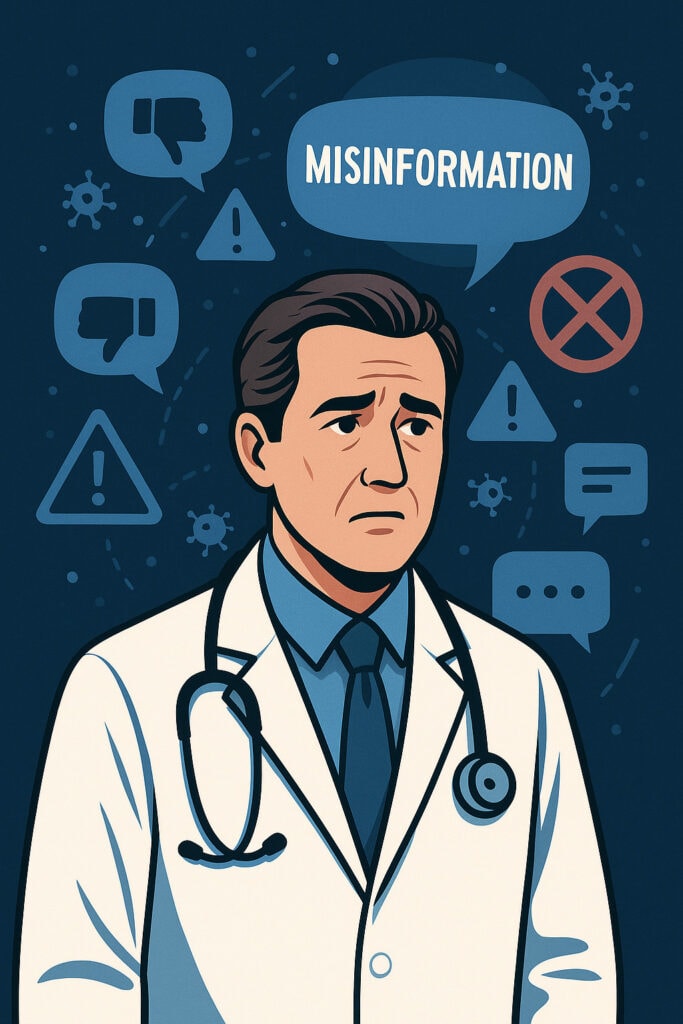
Generative AI systems can craft human‑like essays, answer questions and converse about almost any topic. While these models offer exciting possibilities for patient education, they also present a new risk: plausible but incorrect medical advice. Physicians must anticipate how patients might consume AI‑generated information and prepare to counter misinformation before it harms outcomes.
How AI Generates Misinformation
Large language models learn patterns in text by reading millions of documents. They do not truly understand the content they produce; instead, they predict what words are likely to come next. When asked a medical question, they generate an answer that sounds authoritative but may be factually wrong or incomplete. Additionally, because these models sometimes hallucinate—fabricating plausible details when they lack data—an answer can include fictitious treatments, statistics or mechanisms.
Chatbots and voice assistants built on such models may deliver advice directly to patients without physician oversight. Some platforms summarize content from disparate sources (including unverified blogs or outdated studies), compounding errors. Social media amplifies these outputs, allowing inaccurate or dangerous advice to spread quickly.
Consequences for Patients
AI‑driven misinformation can lead to delayed treatment, misuse of medications or adoption of harmful practices. For example, a chatbot that incorrectly reassures a patient about chest pain could delay emergency care; an AI summarizing a supplement’s benefits might omit contraindications. Over time, repeated exposure to inaccurate information erodes trust in evidence‑based medicine.
How Physicians Can Prepare
-
Stay Informed About AI Tools: Understand how popular chatbots and health apps work, their known limitations and where they source data. Test them with common patient questions to see what answers they give.
-
Educate Patients: During appointments, ask patients if they’re using AI tools for medical advice. Encourage them to verify any online or chatbot guidance with you or other professionals.
-
Provide Authoritative Resources: Maintain an up‑to‑date website or profile (e.g., through Guide.MD) with accurate information about common conditions, medications and procedures. Recommend trusted sites or apps that are curated by medical professionals.
-
Advocate for Regulation and Standards: Support efforts to establish safety standards for AI health information. Encourage AI developers to include disclosures, cite sources and implement safety checks to identify high‑risk advice.
-
Correct Misinformation Promptly: If a harmful AI‑generated rumor spreads (e.g., via social media), address it publicly. Provide clear explanations and evidence to counter false claims.
-
Collaborate with AI Developers: Offer your expertise to companies building health‑related AI. Physician input can improve accuracy and reduce the risk of harmful outputs.
AI will inevitably transform how patients seek information. Rather than resisting its use, physicians must guide its responsible integration into healthcare. By proactively educating themselves and their patients, doctors can mitigate the risks of AI‑driven misinformation and ensure that technology enhances—rather than undermines—evidence‑based practice.
Frequently Asked Questions
What are the risks of AI-driven health misinformation for patients?
AI-driven health misinformation poses significant risks to patients, including delayed treatment, misuse of medications, and the adoption of harmful practices. For instance, an AI chatbot that inaccurately reassures a patient about chest pain could result in a delay in seeking emergency care. Additionally, AI systems can generate plausible but incorrect medical advice, leading to confusion and erosion of trust in evidence-based medicine. The rapid spread of misinformation through social media further exacerbates these risks, making it essential for healthcare providers to educate patients about verifying AI-generated information with qualified professionals.
How can doctors counteract AI-generated medical advice effectively?
Doctors can effectively counteract AI-generated medical advice by staying informed about AI tools and their limitations, educating patients about verifying online information, and providing authoritative resources. Physicians should test popular chatbots with common patient questions to understand their responses. During appointments, they should inquire if patients use AI for medical advice and encourage them to consult with professionals. Additionally, doctors should advocate for safety standards in AI health information and promptly correct misinformation when it spreads. Collaborating with AI developers can also enhance the accuracy of health-related outputs, ensuring that technology supports evidence-based practice.
Why is it important for physicians to understand AI tools?
Physicians must understand AI tools because they can generate plausible but incorrect medical advice, posing risks to patient safety. Generative AI systems, such as chatbots, do not comprehend content but predict text patterns, which can lead to factually wrong or incomplete answers. For instance, an AI might reassure a patient about chest pain, delaying necessary emergency care. By staying informed about AI limitations, educating patients on verifying online advice, and advocating for safety standards, physicians can counter misinformation effectively. This proactive approach is essential to maintain trust in evidence-based medicine and ensure that AI enhances healthcare rather than undermines it.
When should patients verify information from AI chatbots?
Patients should verify information from AI chatbots when they receive medical advice that could impact their health, especially regarding symptoms, treatments, or medications. AI-generated responses can sound authoritative but may be factually incorrect or incomplete due to the models' lack of true understanding. For example, a chatbot might reassure a patient about chest pain, potentially delaying necessary emergency care. It is crucial for patients to consult healthcare professionals to confirm the accuracy of any AI-generated information and to discuss any concerns that arise from their interactions with these tools.
Does AI-generated misinformation erode trust in evidence-based medicine?
AI-generated misinformation can erode trust in evidence-based medicine by delivering plausible but incorrect medical advice. Large language models, which generate responses based on patterns in text, do not truly understand the content they produce. This can lead to the dissemination of factually wrong or incomplete information, resulting in delayed treatment or harmful practices. For instance, an AI chatbot that inaccurately reassures a patient about chest pain could prevent timely emergency care. Over time, exposure to such inaccuracies diminishes patient confidence in medical professionals and established guidelines, ultimately undermining the integrity of evidence-based medicine.
Reviewed by Pouyan Golshani, MD, Interventional Radiologist — August 4, 2026