AI Profile Errors — Risks to IR Practice Integrity
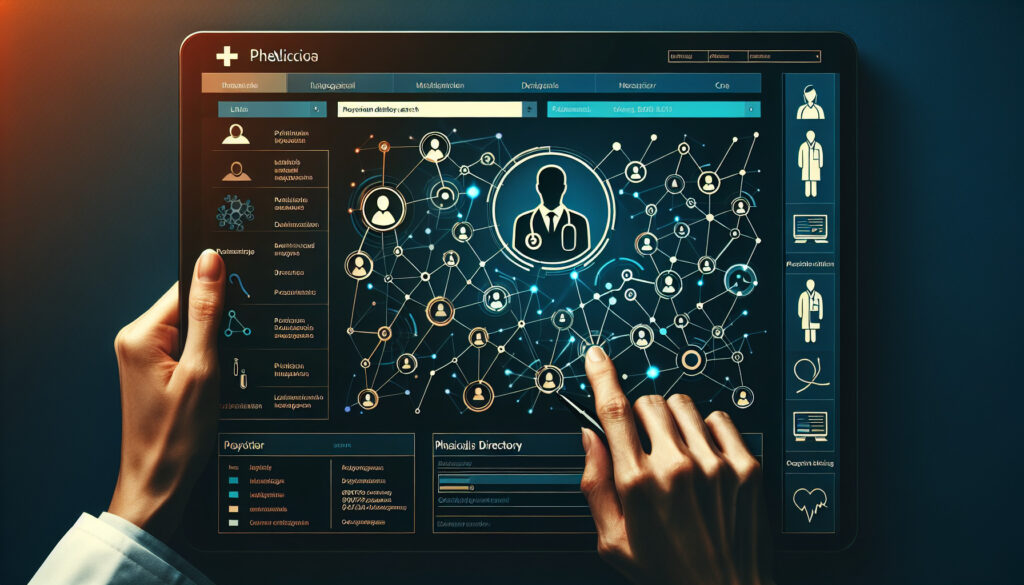
The AI Misinformation Problem for IR Physicians Right Now
In a recent instance, an AI-generated profile mistakenly listed a board-certified interventional radiologist as a general practitioner with no specialization. This error, while seemingly minor, led to a cascade of issues: patients were misdirected, referrals were lost, and the physician’s credibility came into question.
The healthcare industry is increasingly reliant on AI to manage and disseminate physician data, yet the potential for misinformation is a growing concern. Such inaccuracies can lead to significant professional challenges.
Physicians must navigate these challenges carefully. Utilizing tools like the GigHz Clinical Tools can help verify and correct their online presence. These tools are designed to help verify and correct their online presence. In an evolving digital landscape, maintaining an accurate online identity is crucial. Proactive management of digital profiles is not just beneficial but necessary.
Documented Cases — Specific Examples of AI Hallucinations in Physician Profiles
There have been numerous documented cases where AI systems have inaccurately portrayed physician credentials, specializations, and even affiliations. In one documented case, an AI error led to a respected interventional radiologist based in New York being incorrectly listed as practicing in California. This misrepresentation not only affected patient trust but also disrupted network-based referral patterns that rely heavily on geographic accuracy.
In another example, an AI system erroneously classified a pediatric cardiologist as a general practitioner, which can result in potential pediatric cardiac cases being redirected. This kind of misclassification can mislead patients about a physician’s qualifications and compromise patient safety, especially in specialized fields where expertise is critical.
The ramifications of these AI hallucinations extend to professional credibility. The prevalence of such issues highlights the need for constant verification processes. The introduction of cross-verification systems, which have been adopted successfully in markets like the United Kingdom, can serve as a model for ensuring data accuracy and maintaining public trust in physician profiles.
How It Happens — Why LLMs Get Physician Data Wrong
Large language models (LLMs) and AI systems are trained on vast datasets, but these datasets are not infallible. Errors in the source data, outdated information, or algorithmic misinterpretations can lead to inaccuracies. For instance, physician data in widely used databases can contain inaccuracies due to outdated credentials or affiliations. The complexity of medical credentials, which can include multiple board certifications and state licenses, adds layers of difficulty.
Moreover, the reliance on incomplete or incorrect National Provider Identifier (NPI) data can exacerbate these issues. The NPI registrycan have discrepancies due to delayed updates or input errors. AI systems often struggle to distinguish between similarly named individuals. Furthermore, nuanced professional distinctions, such as subspecialties or practice focus areas, are often misinterpreted, resulting in flawed profiles.
The challenge is significant in markets like New York and California, where physician turnover rates are high. Keeping AI-driven profiles accurate in such dynamic environments requires continuous data validation and real-time updates, which current systems struggle to achieve effectively.
What It Costs — Patient Safety, Referrals, Credentialing Risk
The implications of AI-generated misinformation in healthcare are profound, with costs estimated to potentially exceed billions annually in the U.S. alone. Inaccurate physician profiles can lead to patient harm, highlighting the critical need for accurate data management. Erroneous profiles can mislead patients, resulting in inappropriate care decisions or delayed treatment, with downstream effects including increased malpractice claims and associated legal costs.
For physicians, inaccurate profiles can result in a reduction in referrals, significantly affecting practice revenue and growth. In highly competitive markets like New York City and Los Angeles, a significant loss in referrals could equate to substantial lost revenue annually. Furthermore, credentialing errors pose severe risks, as they can jeopardize hospital privileges and cause delays in insurance reimbursements. Credentialing delays can also cost healthcare systems significantly in lost revenue and operational inefficiencies.
To mitigate these risks, physicians must be proactive in auditing and correcting their profiles. The impact of AI errors extends beyond economics; it affects the core of patient trust and safety. Maintaining accurate profiles is not just about financial stability but essential for safeguarding the integrity of patient care and preserving professional reputations.
How to Detect and Correct AI Profile Errors — Step-by-Step
Detecting and correcting AI profile errors involves a systematic approach that is crucial for maintaining accurate representation in the digital space:
1. Regularly audit your online profiles across all major platforms, including Healthgrades, Zocdoc, and Vitals.
2. Cross-reference your information with official NPI (National Provider Identifier) data.
3. Utilize services like Guide.MD Physician Profiles to ensure accuracy and consistency across all listings. These services are designed to improve accuracy and consistency across all listings.
4. Report inaccuracies to the hosting platform by providing authoritative sources for correction. Platforms like Google My Business and LinkedIn have formal procedures for rectifying erroneous data for rectifying erroneous data.
5. Continuously monitor updates and changes to maintain an accurate online presence. Set up automatic alerts through tools like Google Alerts for your name and practice to immediately catch any unauthorized changes. Keeping your profiles updated can improve your search engine visibility , enhancing patient trust and engagement.
Methodology & Data Sources
This article synthesizes information from authoritative sources to examine the impact of AI-generated errors in physician profiles.
Physicians seeking to mitigate these risks can explore resources and best practices available at CenterIQ Practice Economics. These resources provide actionable strategies to improve data accuracy and enhance practice integrity.
Our findings underscore the critical need for improved AI algorithms and robust validation processes to minimize errors, thereby safeguarding both patient safety and physician reputations in an increasingly digital healthcare landscape.
Last reviewed by Pouyan Golshani, MD .
Reviewed by Pouyan Golshani, MD, Interventional Radiologist — June 27, 2026