When to Order Imaging for Acute Onset Flank Pain-Suspicion of Stone Disease (Urolithiasis): ACR Appropriateness Decoded
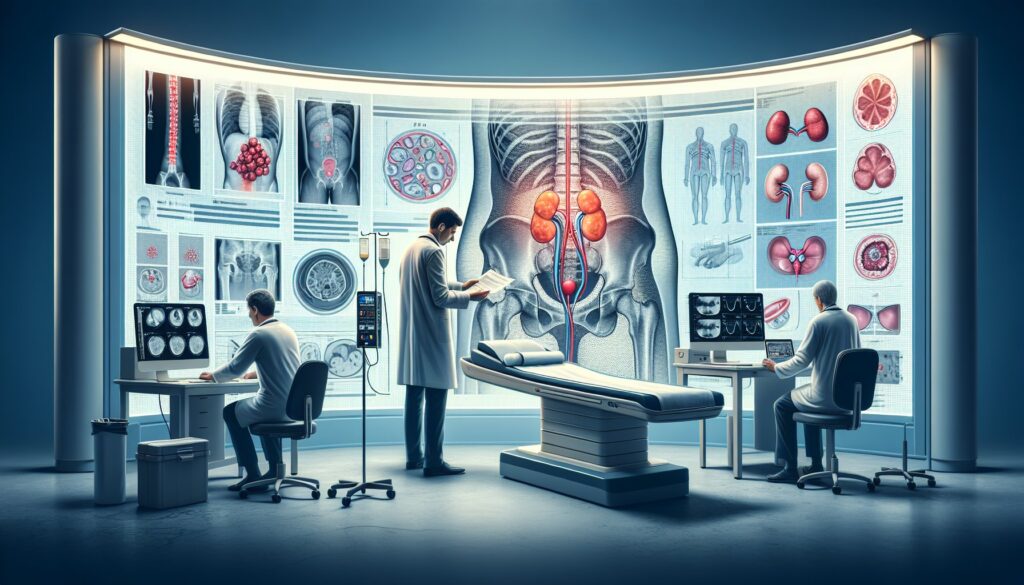
It’s 11 p.m. in the emergency department, and you have a patient with acute, severe flank pain radiating to the groin. The presentation is classic for urolithiasis, but the differential diagnosis remains broad. The patient is young and otherwise healthy. Do you order a non-contrast computed tomography (CT) scan for its high sensitivity and specificity, or do you start with an ultrasound to avoid radiation exposure? Making the right call involves balancing diagnostic accuracy, radiation dose, and patient-specific factors. This guide decodes the American College of Radiology (ACR) Appropriateness Criteria for acute onset flank pain with suspicion of stone disease, providing a clear framework for evidence-based imaging decisions.
What Does ACR Acute Onset Flank Pain-Suspicion of Stone Disease (Urolithiasis) Cover?
The ACR Appropriateness Criteria for this topic are specifically designed for evaluating patients presenting with acute flank pain where there is a strong clinical suspicion for a urinary tract stone. This includes scenarios for initial diagnosis, follow-up imaging for known stones, and special populations like pregnant patients.
This guideline applies to patients whose primary symptom is acute flank pain suggestive of renal colic. It helps differentiate between imaging modalities to confirm the presence of a stone, identify its location, assess for complications like hydronephrosis or hydroureter, and guide management.
Conversely, these criteria do not apply to patients with chronic flank pain, asymptomatic microhematuria, or flank pain where the leading suspicion is an alternative diagnosis such as pyelonephritis, renal mass, or a non-urologic cause. For those presentations, different ACR guidelines should be consulted to ensure the most appropriate imaging is selected.
What Imaging Should I Order for Acute Onset Flank Pain-Suspicion of Stone Disease (Urolithiasis)? Recommendations by Clinical Scenario
The optimal imaging study depends on the specific clinical context, including the patient’s history and special considerations like pregnancy. The ACR provides clear, evidence-based recommendations for four common variants.
For a patient with acute onset flank pain, suspicion of stone disease, and no history or a remote history of stone disease, the ACR rates CT abdomen and pelvis without IV contrast as Usually appropriate. This modality is considered the gold standard for its high accuracy in detecting stones of all types and sizes, as well as identifying potential alternative diagnoses. Ultrasound of the kidneys and bladder is rated May be appropriate, often with disagreement, serving as a valuable non-radiation alternative, particularly in younger patients, though it is less sensitive for small or ureteral stones. For detailed protocol guidance, see our guide on CT Abdomen/Pelvis Without Contrast (Renal Stone).
In a patient with acute onset flank pain with known current stone disease diagnosed on recent imaging, a CT abdomen and pelvis without IV contrast is again rated Usually appropriate for follow-up. It provides a definitive assessment of stone migration, size change, or new obstruction. However, in this context, both ultrasound and radiography (KUB) are rated May be appropriate and can be sufficient for monitoring a known stone, especially if it is radiopaque, thereby reducing cumulative radiation exposure.
For a pregnant patient with acute onset flank pain and suspicion of stone disease, the imaging algorithm changes significantly to prioritize fetal safety. US kidneys and bladder retroperitoneal is rated Usually appropriate as the first-line study. It can readily detect hydronephrosis, a key secondary sign of obstruction, without using ionizing radiation. If the ultrasound is inconclusive, MRU without IV contrast is rated May be appropriate. Low-dose non-contrast CT is also rated May be appropriate but is typically reserved for cases where ultrasound and MRI are non-diagnostic and the clinical suspicion remains high. For protocol details on a relevant non-contrast study, see our guide on MRI Kidneys (Renal Mass).
Finally, if a patient has acute onset flank pain and a CT without contrast is inconclusive for the presence of stones, further imaging may be needed to evaluate for other causes. In this scenario, both CT abdomen and pelvis with IV contrast and CTU without and with IV contrast are rated May be appropriate. These studies can help identify non-stone causes of obstruction or other pathologies mimicking renal colic, such as pyelonephritis, renal vein thrombosis, or masses. For protocol details on a relevant non-contrast study, see our guide on CT Brain Without Contrast.
ACR Imaging Recommendations Table
| Clinical Scenario | Top Procedure | ACR Rating | Adult RRL | Pediatric RRL |
|---|---|---|---|---|
| Acute onset flank pain. Suspicion of stone disease. No history or remote history of stone disease. Initial imaging. | CT abdomen and pelvis without IV contrast | Usually appropriate | ☢ ☢ ☢ 1-10 mSv | ☢ ☢ ☢ ☢ 3-10 mSv [ped] |
| Acute onset flank pain in patient with known current stone disease, diagnosed on recent imaging. Recurrent symptoms of stone disease. Follow-up imaging. | CT abdomen and pelvis without IV contrast | Usually appropriate | ☢ ☢ ☢ 1-10 mSv | ☢ ☢ ☢ ☢ 3-10 mSv [ped] |
| Pregnant patient. Acute onset flank pain. Suspicion of stone disease. Initial or follow-up imaging. | US kidneys and bladder retroperitoneal | Usually appropriate | O 0 mSv | O 0 mSv [ped] |
| Acute onset flank pain. Suspicion of stone disease. CT without contrast is inconclusive for the presence of stones. Next imaging study. | CT abdomen and pelvis with IV contrast | May be appropriate | ☢ ☢ ☢ 1-10 mSv | ☢ ☢ ☢ ☢ 3-10 mSv [ped] |
Adult vs. Pediatric Acute Onset Flank Pain-Suspicion of Stone Disease (Urolithiasis) Imaging: Radiation Dose Tradeoffs
When evaluating for urolithiasis, radiation safety is a key consideration, especially in pediatric and young adult patients who are more sensitive to the long-term effects of ionizing radiation. The principle of As Low As Reasonably Achievable (ALARA) is paramount. The ACR Relative Radiation Level (RRL) estimates reflect this concern, often showing a higher RRL category for children for the same CT scan. For example, a non-contrast CT of the abdomen and pelvis is rated ☢ ☢ ☢ (1-10 mSv) for adults but ☢ ☢ ☢ ☢ (3-10 mSv) for pediatric patients, highlighting the greater relative risk.
This difference underscores the importance of considering non-ionizing modalities like ultrasound or MRI as first-line options in children when clinically appropriate. While CT remains highly effective, the potential for cumulative radiation exposure from recurrent imaging for stone disease necessitates a thoughtful, risk-benefit approach. For pediatric patients, an initial ultrasound is often preferred to screen for hydronephrosis. If the ultrasound is negative or inconclusive but suspicion remains high, a low-dose CT protocol should be utilized to minimize exposure while maintaining diagnostic quality.
Imaging Protocol Details for Acute Onset Flank Pain-Suspicion of Stone Disease (Urolithiasis)
Once you’ve decided on the right study based on the ACR criteria, ensuring the correct protocol is performed is the critical next step. A “renal stone protocol” CT is different from a standard abdominal CT with contrast. Our protocol guides cover the essential technical parameters, contrast timing, and key interpretation principles for the studies recommended in this guideline.
Tools to Help You Order the Right Study
Navigating imaging guidelines and protocols can be complex. GigHz offers a suite of reference tools designed to support clinicians in making evidence-based decisions at the point of care.
For clinical scenarios beyond acute flank pain, the Imaging Appropriateness Selector provides a searchable interface to find the right imaging for hundreds of clinical presentations. It helps you quickly access the latest ACR recommendations for any indication.
To ensure the selected study is performed correctly, the Imaging Protocol Library offers detailed, scannable guides for a wide range of CT, MRI, and ultrasound examinations. These protocols are designed for quick reference by ordering providers, technologists, and radiologists.
When discussing radiation exposure with patients, especially those requiring multiple CT scans, the Radiation Dose Calculator is an invaluable tool. It helps estimate cumulative effective dose from various imaging studies, facilitating informed conversations about the risks and benefits of imaging.
Why is non-contrast CT the preferred initial test for most adults with suspected kidney stones?
Non-contrast helical CT of the abdomen and pelvis is considered the gold standard because of its extremely high sensitivity (95-100%) and specificity (93-100%) for detecting urinary tract stones. It can identify stones of all compositions (including uric acid stones, which are often radiolucent on x-ray), determine their precise size and location, and evaluate for secondary signs of obstruction like hydronephrosis. It can also rapidly identify alternative, non-urologic causes of flank pain, such as appendicitis, diverticulitis, or aortic aneurysm.
When should I order an ultrasound instead of a CT for suspected kidney stones?
Ultrasound is the preferred first-line imaging modality in pregnant patients to avoid fetal radiation exposure. It is also a strong consideration for children and young adults (especially females) to minimize cumulative radiation dose. While less sensitive than CT for directly visualizing the stone (particularly small stones in the ureter), ultrasound is excellent at detecting hydronephrosis, which is a reliable secondary sign of an obstructing stone. It can be used as an initial screening tool; if hydronephrosis is present, a stone is likely, and if it’s absent, a clinically significant obstruction is less probable.
Is an abdominal radiograph (KUB) still useful for kidney stones?
A KUB (Kidneys, Ureters, Bladder) x-ray has a limited role as an initial diagnostic tool due to its low sensitivity (40-60%) and inability to detect radiolucent stones (e.g., uric acid) or identify alternative diagnoses. However, it can be very useful for follow-up. Once a radiopaque stone has been identified on CT, a KUB can be used to monitor its position and passage over time, offering a low-cost, low-radiation alternative to repeat CT scans.
What is the role of MRI/MRU in evaluating for kidney stones?
Magnetic Resonance Urography (MRU) is primarily used as a problem-solving tool when radiation must be avoided and ultrasound is inconclusive. This most commonly occurs in pregnant patients. Heavily T2-weighted, non-contrast sequences can clearly visualize the collecting systems and identify hydronephrosis and hydroureter, often showing the transition point at the site of the obstructing stone. However, MRI does not directly visualize the calcification of the stone itself, which appears as a signal void. It is not a first-line test for the typical adult patient due to higher cost, longer scan time, and lower sensitivity for the stone itself compared to CT.
If a non-contrast CT is negative, what’s the next step?
If a non-contrast CT is negative for stones and hydronephrosis but the patient’s severe flank pain persists, the differential diagnosis broadens to include non-stone urologic causes (e.g., pyelonephritis, renal vein thrombosis) or non-urologic pathology. In this case, a contrast-enhanced study is often the next logical step. A CT with intravenous contrast can evaluate for renal parenchymal inflammation, perfusion defects, vascular abnormalities, or other intra-abdominal processes that could be causing the pain. This is why the ACR rates CT with IV contrast as “May be appropriate” in the setting of an inconclusive non-contrast study.
Frequently Asked Questions
Why is non-contrast CT the preferred initial test for most adults with suspected kidney stones?
Non-contrast helical CT of the abdomen and pelvis is considered the gold standard because of its extremely high sensitivity (95-100%) and specificity (93-100%) for detecting urinary tract stones. It can identify stones of all compositions (including uric acid stones, which are often radiolucent on x-ray), determine their precise size and location, and evaluate for secondary signs of obstruction like hydronephrosis. It can also rapidly identify alternative, non-urologic causes of flank pain, such as appendicitis, diverticulitis, or aortic aneurysm.
When should I order an ultrasound instead of a CT for suspected kidney stones?
Ultrasound is the preferred first-line imaging modality in pregnant patients to avoid fetal radiation exposure. It is also a strong consideration for children and young adults (especially females) to minimize cumulative radiation dose. While less sensitive than CT for directly visualizing the stone (particularly small stones in the ureter), ultrasound is excellent at detecting hydronephrosis, which is a reliable secondary sign of an obstructing stone. It can be used as an initial screening tool; if hydronephrosis is present, a stone is likely, and if it’s absent, a clinically significant obstruction is less probable.
Is an abdominal radiograph (KUB) still useful for kidney stones?
A KUB (Kidneys, Ureters, Bladder) x-ray has a limited role as an initial diagnostic tool due to its low sensitivity (40-60%) and inability to detect radiolucent stones (e.g., uric acid) or identify alternative diagnoses. However, it can be very useful for follow-up. Once a radiopaque stone has been identified on CT, a KUB can be used to monitor its position and passage over time, offering a low-cost, low-radiation alternative to repeat CT scans.
What is the role of MRI/MRU in evaluating for kidney stones?
Magnetic Resonance Urography (MRU) is primarily used as a problem-solving tool when radiation must be avoided and ultrasound is inconclusive. This most commonly occurs in pregnant patients. Heavily T2-weighted, non-contrast sequences can clearly visualize the collecting systems and identify hydronephrosis and hydroureter, often showing the transition point at the site of the obstructing stone. However, MRI does not directly visualize the calcification of the stone itself, which appears as a signal void. It is not a first-line test for the typical adult patient due to higher cost, longer scan time, and lower sensitivity for the stone itself compared to CT.
If a non-contrast CT is negative, what’s the next step?
If a non-contrast CT is negative for stones and hydronephrosis but the patient’s severe flank pain persists, the differential diagnosis broadens to include non-stone urologic causes (e.g., pyelonephritis, renal vein thrombosis) or non-urologic pathology. In this case, a contrast-enhanced study is often the next logical step. A CT with intravenous contrast can evaluate for renal parenchymal inflammation, perfusion defects, vascular abnormalities, or other intra-abdominal processes that could be causing the pain. This is why the ACR rates CT with IV contrast as “May be appropriate” in the setting of an inconclusive non-contrast study.
Reviewed by Pouyan Golshani, MD, Interventional Radiologist — June 27, 2026