
Which Imaging Study Is Best for Suspected Dialysis Access Steal Syndrome?
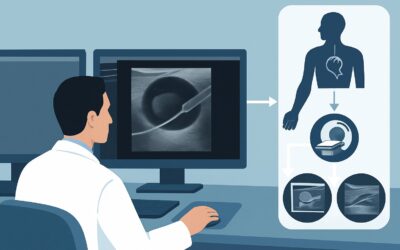
ACR-guided imaging workflow for Suspected vascular steal syndrome (upper or lower extremity), suggested by cardiac failure or ischemic symptoms. Initial im
ACR-guided imaging workflow for Suspected vascular steal syndrome (upper or lower extremity), suggested by cardiac failure or ischemic symptoms. Initial im

ACR-guided imaging workflow for Abnormal skin changes associated with the upper or lower extremity hemodialysis access cannulation site, including marked t

ACR-guided imaging workflow for Abnormal skin changes associated with the upper or lower extremity hemodialysis access cannulation site, including marked t

ACR-guided imaging workflow for Clinical suspicion of central venous stenosis or occlusion suggested by swelling (ie, soft tissue edema) of the extremity i

ACR-guided imaging workflow for Clinical suspicion of central venous stenosis or occlusion suggested by swelling (ie, soft tissue edema) of the extremity i

ACR-guided imaging workflow for Failure of an upper or lower extremity arteriovenous fistula to mature within 2 months after creation. Treatment and proced

ACR-guided imaging workflow for Failure of an upper or lower extremity arteriovenous fistula to mature within 2 months after creation. Initial imaging to g
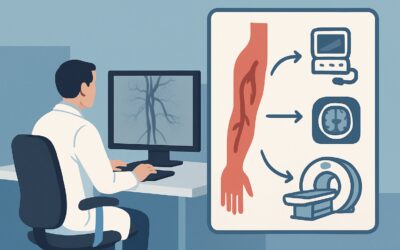
ACR-guided imaging workflow for Suspected thrombosis of the upper or lower extremity hemodialysis access, marked by absent pulse and thrill on physical exa

ACR-guided imaging workflow for Suspected thrombosis of the upper or lower extremity hemodialysis access, marked by absent pulse and thrill on physical exa

ACR-guided imaging workflow for Suspected dysfunction of the upper or lower extremity hemodialysis access (ie, arteriovenous fistula or graft) suggested by