

What Imaging Should You Order for a Dialysis Fistula with an Absent Pulse and Thrill?
ACR-guided imaging workflow for Suspected thrombosis of the upper or lower extremity hemodialysis access, marked by absent pulse and thrill on physical exa
ACR-guided imaging workflow for Suspected thrombosis of the upper or lower extremity hemodialysis access, marked by absent pulse and thrill on physical exa
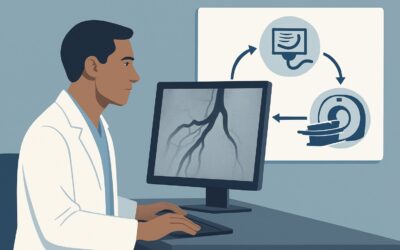
ACR-guided imaging workflow for Suspected dysfunction of the upper or lower extremity hemodialysis access (ie, arteriovenous fistula or graft) suggested by
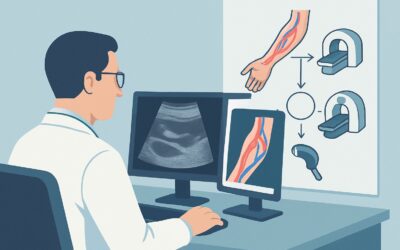
ACR-guided imaging workflow for Suspected dysfunction of upper or lower extremity hemodialysis access (ie, arteriovenous fistula or graft) suggested by an

ACR-guided imaging workflow for Left lower quadrant pain. Initial imaging. (Left Lower Quadrant Pain): recommended study, differential, downstream pathway.

ACR-guided imaging workflow for Child. Known aortopathy or connective tissue disease. Surveillance of the aorta after inadequate or incomplete evaluation b

ACR-guided imaging workflow for Child or adult. Suspected aortic coarctation with inadequate evaluation after transthoracic echocardiography. Next imaging

ACR-guided imaging workflow for Child or adult. Known or suspected anomalous pulmonary venous return with inadequate evaluation after transthoracic echocar

ACR-guided imaging workflow for Child or adult. Known single ventricle physiology. Postoperative evaluation after stage 3 single ventricle palliation (tota

ACR-guided imaging workflow for Child. Known single ventricle physiology. Preoperative evaluation for stage 3 single ventricle palliation (total cavopulmon

ACR-guided imaging workflow for Child. Known single ventricle physiology. Preoperative evaluation for stage 2 single ventricle palliation. Incomplete or in