

What Imaging Is Best for Epigastric Pain with Suspected Reflux, Gastritis, or Ulcer?
ACR-guided imaging workflow for Epigastric pain with clinical suspicion for acid reflux or esophagitis or gastritis or peptic ulcer or duodenal ulcer. Init
ACR-guided imaging workflow for Epigastric pain with clinical suspicion for acid reflux or esophagitis or gastritis or peptic ulcer or duodenal ulcer. Init

ACR-guided imaging workflow for Suspected complication postproctectomy or coloproctectomy or colectomy with pouch or other anastomosis. Initial imaging. (A

ACR-guided imaging workflow for Suspected proctitis or pouchitis. Initial imaging. (Anorectal Disease): recommended study, differential, downstream pathway

ACR-guided imaging workflow for Suspected rectal fistula. Rectovesicular or rectovaginal. Initial imaging. (Anorectal Disease): recommended study, differen
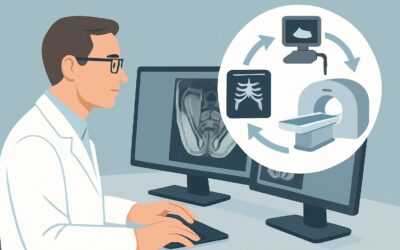
ACR-guided imaging workflow for Suspected perianal disease. Abscess or fistula. Initial imaging. (Anorectal Disease): recommended study, differential, down
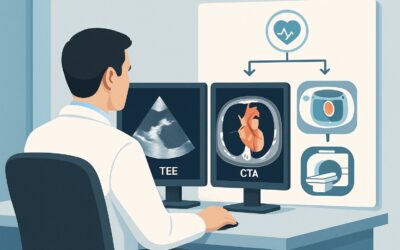
ACR-guided imaging workflow for Acute chest pain; suspected acute aortic syndrome. (Suspected Acute Aortic Syndrome): recommended study, differential, down

ACR-guided imaging workflow for Acute head trauma with unchanged neurologic examination and positive finding(s) on initial imaging (eg, subdural hematoma).

ACR-guided imaging workflow for Acute head trauma with unchanged neurologic examination and unremarkable initial imaging. Short-term follow-up imaging. (He

ACR-guided imaging workflow for Acute head trauma with new or progressive neurologic deficit(s). Short-term follow-up imaging. (Head Trauma): recommended s

ACR-guided imaging workflow for Acute head trauma, moderate (GCS 9–12) or severe (GCS 3–8), or penetrating. Initial imaging. (Head Trauma): recommended stu