

What Is the Best Initial Imaging for Chronic Vertigo with Brainstem Deficits?
ACR-guided imaging workflow for Adult. Chronic recurrent vertigo. Associated with other brainstem neurologic deficits. Initial imaging. (Dizziness and Atax
ACR-guided imaging workflow for Adult. Chronic recurrent vertigo. Associated with other brainstem neurologic deficits. Initial imaging. (Dizziness and Atax

ACR-guided imaging workflow for Adult. Chronic recurrent vertigo. Associated with unilateral hearing loss or tinnitus. Initial imaging. (Dizziness and Atax

ACR-guided imaging workflow for Adult. Acute persistent vertigo. Abnormal neurologic examination or HINTS examination is consistent with central vertigo. I

ACR-guided imaging workflow for Adult. Acute persistent vertigo. Normal neurologic examination and HINTS examination examination consistent with peripheral

ACR-guided imaging workflow for Adult. Brief episodic vertigo. Triggered by specific head movements (eg, Dix-Hallpike maneuver). Initial imaging. (Dizzines
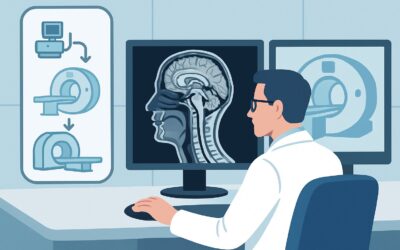
ACR-guided imaging workflow for Adult. Known cervical vascular dissection or injury. Surveillance imaging. (Cerebrovascular Diseases-Stroke and Stroke-Rela
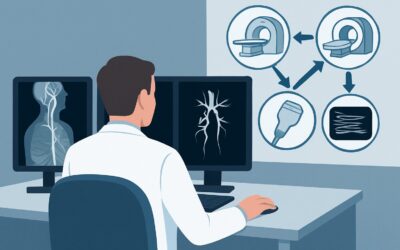
ACR-guided imaging workflow for Adult. Suspected cervical vascular dissection or injury. Initial imaging. (Cerebrovascular Diseases-Stroke and Stroke-Relat

ACR-guided imaging workflow for Adult. Asymptomatic carotid stenosis. Surveillance imaging. (Cerebrovascular Diseases-Stroke and Stroke-Related Conditions)
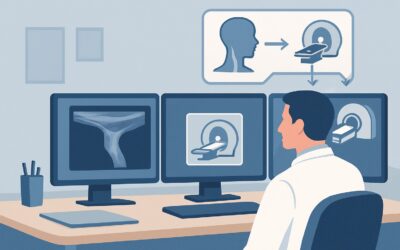
ACR-guided imaging workflow for Adult. Asymptomatic cervical bruit. Initial imaging. (Cerebrovascular Diseases-Stroke and Stroke-Related Conditions): recom

ACR-guided imaging workflow for Adult. Known venous sinus thrombosis. Surveillance imaging. (Cerebrovascular Diseases-Stroke and Stroke-Related Conditions)