
Which Imaging Study Is Best for Sepsis with Acute Abdominal Pain?
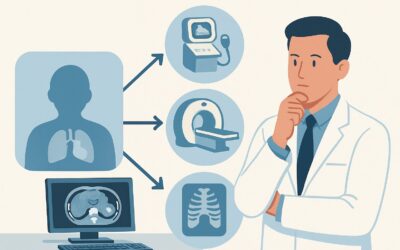
ACR-guided imaging workflow for Suspected or confirmed sepsis. Acute abdominal pain. Initial imaging. (Sepsis): recommended study, differential, downstream
ACR-guided imaging workflow for Suspected or confirmed sepsis. Acute abdominal pain. Initial imaging. (Sepsis): recommended study, differential, downstream
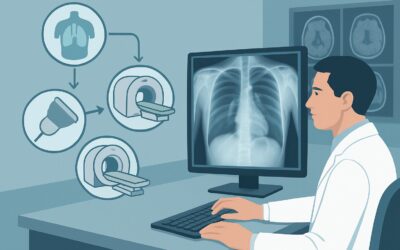
ACR-guided imaging workflow for Suspected or confirmed sepsis. Cough or dyspnea or chest pain. Normal or equivocal or nonspecific chest radiograph. Next im

ACR-guided imaging workflow for Suspected or confirmed sepsis. Cough or dyspnea or chest pain. Initial imaging. (Sepsis): recommended study, differential,

ACR-guided imaging workflow for Nonpulsatile tinnitus, bilateral; no hearing loss, and no neurologic deficit, and no trauma. Initial imaging. (Tinnitus): r

ACR-guided imaging workflow for Nonpulsatile tinnitus, unilateral; no hearing loss, and no neurologic deficit, and no trauma. Initial imaging. (Tinnitus):

ACR-guided imaging workflow for Pulsatile tinnitus, unilateral or bilateral; suspected retrotympanic lesion on otoscopy. Initial imaging. (Tinnitus): recom

ACR-guided imaging workflow for Pulsatile tinnitus, unilateral or bilateral; No retrotympanic lesion on otoscopy. Initial imaging. (Tinnitus): recommended

ACR-guided imaging workflow for Acute onset flank pain. Suspicion of stone disease. CT without contrast is inconclusive for the presence of stones. Next im

ACR-guided imaging workflow for Pregnant patient. Acute onset flank pain. Suspicion of stone disease. Initial or follow-up imaging. (Acute Onset Flank Pain
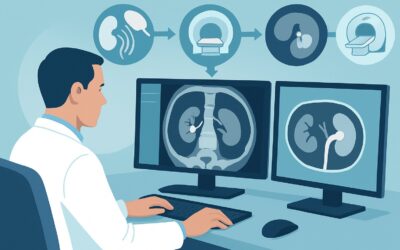
ACR-guided imaging workflow for Acute onset flank pain in patient with known current stone disease, diagnosed on recent imaging. Recurrent symptoms of ston