


ACR Guide: Why Order MRI for Suspected Spinal Cord or Ligament Injury After Blunt Trauma?
ACR-guided imaging workflow for Age 16 years or older. Acute cervical, thoracic or lumbar spine blunt trauma. Suspected or confirmed ligamentous, spinal co
ACR-guided imaging workflow for Age 16 years or older. Acute cervical, thoracic or lumbar spine blunt trauma. Suspected or confirmed ligamentous, spinal co

ACR-guided imaging workflow for Age 16 years or older. Acute cervical spine blunt trauma. No unstable injury demonstrated initially, but kept in collar for
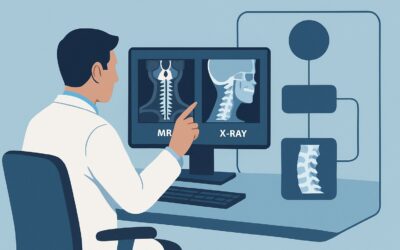
ACR-guided imaging workflow for Age 16 years or older. Acute cervical spine blunt trauma. Suspected arterial injury with or without positive cervical spine

ACR-guided imaging workflow for Age 16 years or older. Acute cervical spine blunt trauma. Obtunded. No trauma identified on cervical spine CT without IV co

ACR-guided imaging workflow for Age 16 years or older. Acute thoracic or lumbar spine blunt trauma in a high-risk or unexaminable patient. Initial imaging.

ACR-guided imaging workflow for Age 16 years or older. Acute cervical spine blunt trauma. Imaging indicated by CCR or NEXUS clinical criteria. Initial imag

ACR-guided imaging workflow for Age greater than or equal to 16 years and less than 65 years. Acute cervical spine blunt trauma; imaging not indicated by C

ACR Appropriateness Criteria for Acute Spinal Trauma: recommended imaging by clinical scenario, adult and pediatric radiation levels, and matching gighz pr

ACR Appropriateness Criteria for Acute Spinal Trauma: recommended imaging by clinical scenario, adult and pediatric radiation levels, and matching gighz pr