

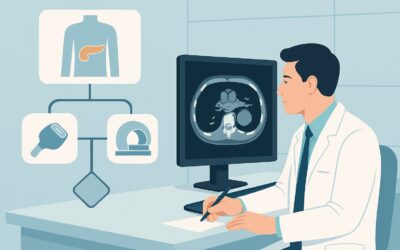
What Is the Right First Imaging Study for Suspected Acute Pancreatitis?
ACR-guided imaging workflow for Suspected acute pancreatitis. First time presentation. Epigastric pain and increased amylase and lipase. Less than 48 to 72
Part of the imaging decision system doctors were never taught to navigate at speed: which study to order, which protocol, and what the published appropriateness guidance actually says for GI imaging. Plain-English references, scenario by scenario.
ACR-guided imaging workflow for Suspected acute pancreatitis. First time presentation. Epigastric pain and increased amylase and lipase. Less than 48 to 72
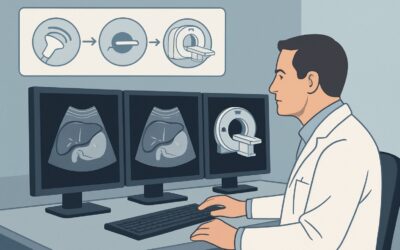
ACR-guided imaging workflow for Jaundice. Suspected medical, metabolic, or functional etiologies based on initial imaging, clinical condition, or laborator

ACR-guided imaging workflow for Acute nonlocalized abdominal pain and fever. No recent surgery. Initial imaging. (Acute Nonlocalized Abdominal Pain): recom

ACR-guided imaging workflow for Suspected intermittent or low-grade small-bowel obstruction. Indolent presentation. (Suspected Small-Bowel Obstruction): re

ACR-guided imaging workflow for Retrosternal dysphagia in immunocompromised patients. Initial imaging. (Dysphagia): recommended study, differential, downst
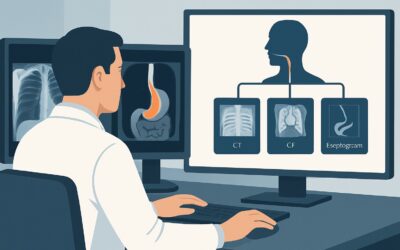
ACR-guided imaging workflow for Retrosternal dysphagia in immunocompetent patients. Initial imaging. (Dysphagia): recommended study, differential, downstre

ACR-guided imaging workflow for Unexplained oropharyngeal dysphagia. Initial imaging. (Dysphagia): recommended study, differential, downstream pathway.

ACR-guided imaging workflow for Oropharyngeal dysphagia with an attributable cause. Initial imaging. (Dysphagia): recommended study, differential, downstre

ACR-guided imaging workflow for Known Crohn disease, disease surveillance; monitoring therapy. (Crohn Disease): recommended study, differential, downstream

ACR-guided imaging workflow for Known Crohn disease, suspected acute exacerbation. (Crohn Disease): recommended study, differential, downstream pathway.