

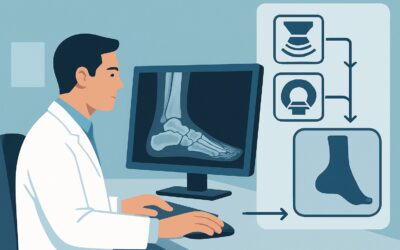
Which Imaging Study Is Best for Suspected Neurogenic Chronic Foot Pain?
ACR-guided imaging workflow for Adult. Chronic foot pain. Suspect Baxter neuropathy or complex regional pain syndrome or entrapment syndrome or other neuro
Part of the imaging decision system doctors were never taught to navigate at speed: which study to order, which protocol, and what the published appropriateness guidance actually says for MSK imaging. Plain-English references, scenario by scenario.
ACR-guided imaging workflow for Adult. Chronic foot pain. Suspect Baxter neuropathy or complex regional pain syndrome or entrapment syndrome or other neuro

ACR-guided imaging workflow for Adult. Chronic foot pain. Suspect foreign body. Radiographs negative or indeterminate. Next imaging study. (Chronic Foot Pa

ACR-guided imaging workflow for Adult. Chronic foot pain. Suspect osteochondral lesion or cartilage abnormality or degenerative joint disease or pain of ot

ACR-guided imaging workflow for Adult. Chronic foot pain. Suspect occult fracture or painful ossicles or pain of other osseous origin. Radiographs negative

ACR-guided imaging workflow for Adult. Chronic foot pain. Suspect tendon or ligament or fascia or muscle or other soft tissue origin. Radiographs negative

ACR-guided imaging workflow for Adult. Radiographs positive for osteomyelitis of the foot in patients with diabetes mellitus and metal instrumentation in t
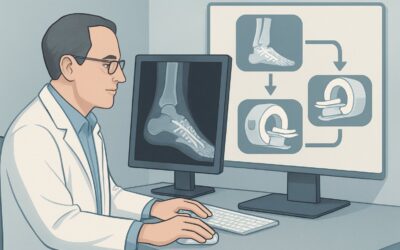
ACR-guided imaging workflow for Adult. Suspected osteomyelitis of the foot in patients with diabetes mellitus and metal instrumentation in the foot. Initia
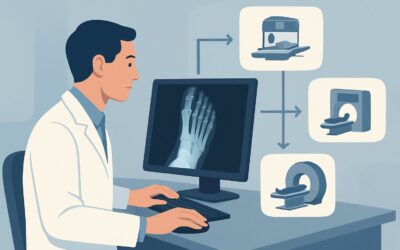
ACR-guided imaging workflow for Adult. Radiographs positive for osteomyelitis of the foot in patients with diabetes mellitus. Next imaging study for pretre

ACR-guided imaging workflow for Adult. Suspected osteomyelitis of the foot in patients with diabetes mellitus. Initial radiographs negative or indeterminat

ACR-guided imaging workflow for Age 16 years or older. Acute cervical, thoracic or lumbar spine blunt trauma. Suspected or confirmed ligamentous, spinal co