

Post-Dural Puncture Headache: Why Does the ACR Advise Against Initial Imaging?
ACR-guided imaging workflow for Adult. Orthostatic headache from suspected intracranial hypotension within 72 hours of dural puncture or other spinal inter
Part of the imaging decision system doctors were never taught to navigate at speed: which study to order, which protocol, and what the published appropriateness guidance actually says for neuro imaging. Plain-English references, scenario by scenario.
ACR-guided imaging workflow for Adult. Orthostatic headache from suspected intracranial hypotension within 72 hours of dural puncture or other spinal inter

ACR-guided imaging workflow for Adult. Orthostatic headache from suspected intracranial hypotension, without recent spinal intervention that could cause CS

ACR-guided imaging workflow for Adult. Nonspecific dizziness without vertigo, ataxia, or other neurologic deficits. Initial imaging. (Dizziness and Ataxia)

ACR-guided imaging workflow for Adult. Chronic disequilibrium with signs of sensory or proprioceptive ataxia. Initial imaging. (Dizziness and Ataxia): reco

ACR-guided imaging workflow for Adult. Chronic disequilibrium with signs of cerebellar ataxia. Initial imaging. (Dizziness and Ataxia): recommended study,
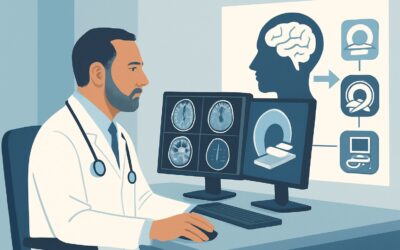
ACR-guided imaging workflow for Adult. Chronic recurrent vertigo. Associated with other brainstem neurologic deficits. Initial imaging. (Dizziness and Atax

ACR-guided imaging workflow for Adult. Chronic recurrent vertigo. Associated with unilateral hearing loss or tinnitus. Initial imaging. (Dizziness and Atax
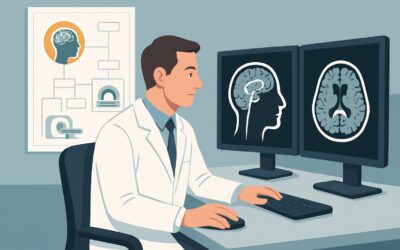
ACR-guided imaging workflow for Adult. Acute persistent vertigo. Abnormal neurologic examination or HINTS examination is consistent with central vertigo. I
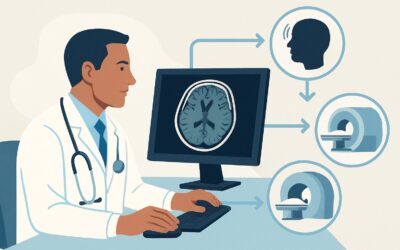
ACR-guided imaging workflow for Adult. Acute persistent vertigo. Normal neurologic examination and HINTS examination examination consistent with peripheral
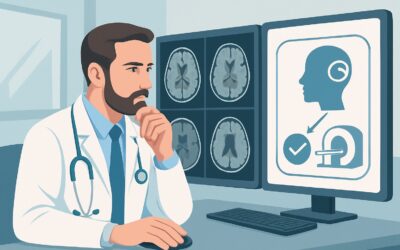
ACR-guided imaging workflow for Adult. Brief episodic vertigo. Triggered by specific head movements (eg, Dix-Hallpike maneuver). Initial imaging. (Dizzines