

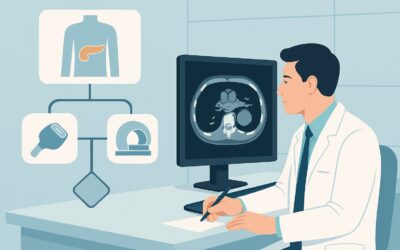
What Is the Right First Imaging Study for Suspected Acute Pancreatitis?
ACR-guided imaging workflow for Suspected acute pancreatitis. First time presentation. Epigastric pain and increased amylase and lipase. Less than 48 to 72
ACR-guided imaging workflow for Suspected acute pancreatitis. First time presentation. Epigastric pain and increased amylase and lipase. Less than 48 to 72
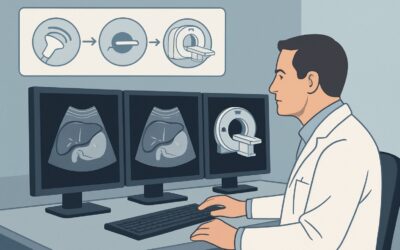
ACR-guided imaging workflow for Jaundice. Suspected medical, metabolic, or functional etiologies based on initial imaging, clinical condition, or laborator

ACR-guided imaging workflow for Acute nonlocalized abdominal pain and fever. No recent surgery. Initial imaging. (Acute Nonlocalized Abdominal Pain): recom

ACR-guided imaging workflow for Suspected intermittent or low-grade small-bowel obstruction. Indolent presentation. (Suspected Small-Bowel Obstruction): re

ACR-guided imaging workflow for Retrosternal dysphagia in immunocompromised patients. Initial imaging. (Dysphagia): recommended study, differential, downst
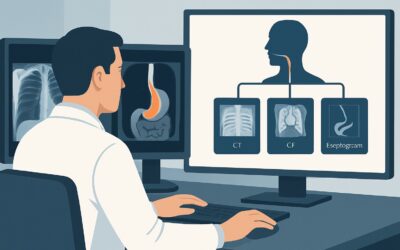
ACR-guided imaging workflow for Retrosternal dysphagia in immunocompetent patients. Initial imaging. (Dysphagia): recommended study, differential, downstre

ACR-guided imaging workflow for Unexplained oropharyngeal dysphagia. Initial imaging. (Dysphagia): recommended study, differential, downstream pathway.

ACR-guided imaging workflow for Oropharyngeal dysphagia with an attributable cause. Initial imaging. (Dysphagia): recommended study, differential, downstre

ACR-guided imaging workflow for Known Crohn disease, disease surveillance; monitoring therapy. (Crohn Disease): recommended study, differential, downstream

ACR-guided imaging workflow for Known Crohn disease, suspected acute exacerbation. (Crohn Disease): recommended study, differential, downstream pathway.