


Should You Order Radiographs for a Minor Knee Injury if the Patient Can Walk?
ACR-guided imaging workflow for Adult or child 5 years of age or older. Fall or acute twisting trauma to the knee. No focal tenderness, no effusion, able t
Part of the imaging decision system doctors were never taught to navigate at speed: which study to order, which protocol, and what the published appropriateness guidance actually says for MSK imaging. Plain-English references, scenario by scenario.
ACR-guided imaging workflow for Adult or child 5 years of age or older. Fall or acute twisting trauma to the knee. No focal tenderness, no effusion, able t

ACR-guided imaging workflow for Age 16 years or older. Acute thoracic or lumbar spine blunt trauma in a high-risk or unexaminable patient. Initial imaging.

ACR-guided imaging workflow for Age 16 years or older. Acute cervical spine blunt trauma. Imaging indicated by CCR or NEXUS clinical criteria. Initial imag

ACR-guided imaging workflow for Age greater than or equal to 16 years and less than 65 years. Acute cervical spine blunt trauma; imaging not indicated by C

ACR-guided imaging workflow for Follow-up imaging of patients demonstrated to have risk for fracture or surveillance of established low bone mineral densit
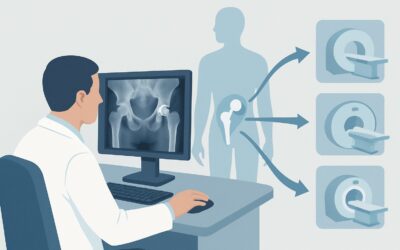
ACR-guided imaging workflow for Evaluation of symptomatic hip arthroplasty patient with metal-on-metal prosthesis or findings suggesting trunnionosis. Ques
ACR Appropriateness Criteria for Penetrating Torso Trauma: recommended imaging by clinical scenario, adult and pediatric radiation levels, and matching gig
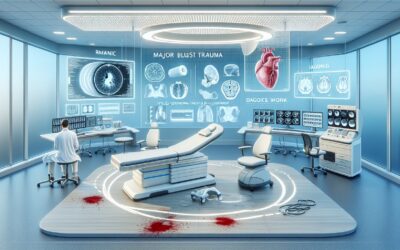
ACR Appropriateness Criteria for Major Blunt Trauma: recommended imaging by clinical scenario, adult and pediatric radiation levels, and matching gighz pro

ACR Appropriateness Criteria for Suspected Primary Bone Tumors: recommended imaging by clinical scenario, adult and pediatric radiation levels, and matchin
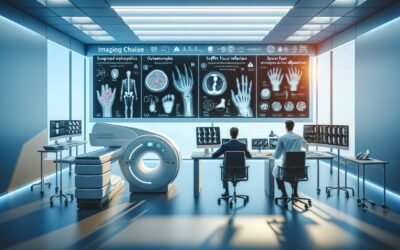
ACR Appropriateness Criteria for Suspected Osteomyelitis, Septic Arthritis, or Soft Tissue Infection (Excluding Spine and Diabetic Foot): recommended imagi