
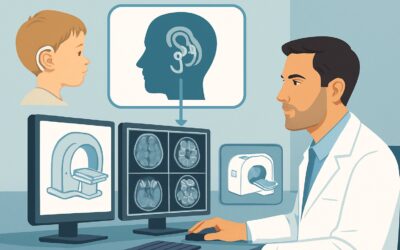
Which Imaging Is Best for Congenital Hearing Loss or Cochlear Implant Planning?
ACR-guided imaging workflow for Congenital hearing loss or total deafness or cochlear implant candidate. Surgical planning. (Hearing Loss and/or Vertigo):
ACR-guided imaging workflow for Congenital hearing loss or total deafness or cochlear implant candidate. Surgical planning. (Hearing Loss and/or Vertigo):
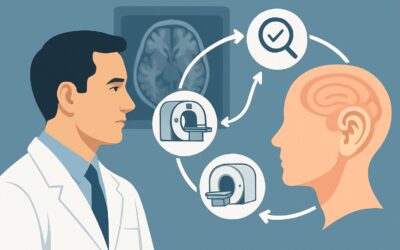
ACR-guided imaging workflow for Persistent vertigo with or without neurological symptoms (central vertigo). Initial imaging. (Hearing Loss and/or Vertigo):

ACR-guided imaging workflow for Episodic vertigo with or without associated hearing loss or aural fullness (peripheral vertigo). Initial imaging. (Hearing
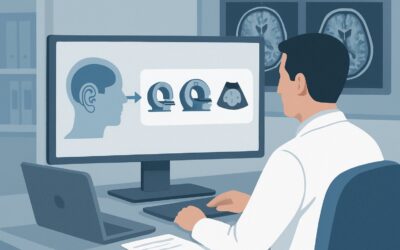
ACR-guided imaging workflow for Mixed conductive and sensorineural hearing loss. Initial imaging. (Hearing Loss and/or Vertigo): recommended study, differe
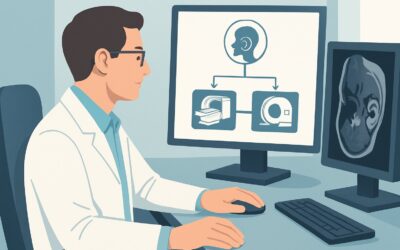
ACR-guided imaging workflow for Acquired sensorineural hearing loss. Initial imaging. (Hearing Loss and/or Vertigo): recommended study, differential, downs
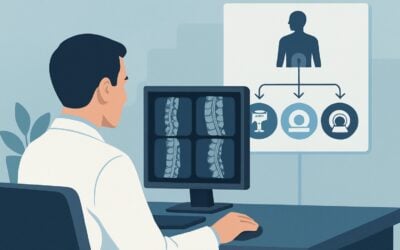
ACR-guided imaging workflow for Lumbosacral plexopathy, traumatic. Initial imaging. (Plexopathy): recommended study, differential, downstream pathway.
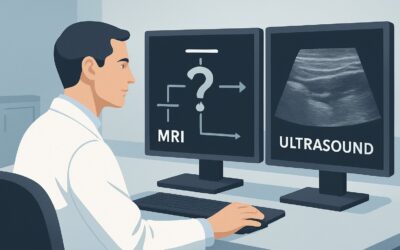
ACR-guided imaging workflow for Brachial plexopathy, acute or chronic, nontraumatic. No known malignancy. Initial imaging. (Plexopathy): recommended study,

ACR-guided imaging workflow for Child, males younger than 9 years of age; females younger than 8 years of age. Precocious puberty. Initial imaging. (Neuroe

ACR-guided imaging workflow for Adult. Surveillance postpituitary or sellar mass resection. (Neuroendocrine Imaging): recommended study, differential, down

ACR-guided imaging workflow for Adult. Pituitary apoplexy. Initial imaging. (Neuroendocrine Imaging): recommended study, differential, downstream pathway.