

What Is the Best Imaging for Suspected Spine Infection from a Decubitus Ulcer?
ACR-guided imaging workflow for Suspected spine infection (such as epidural abscess or discitis osteomyelitis), with decubitus ulcer or wound overlying spi
ACR-guided imaging workflow for Suspected spine infection (such as epidural abscess or discitis osteomyelitis), with decubitus ulcer or wound overlying spi
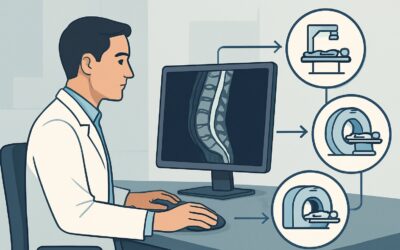
ACR-guided imaging workflow for Suspected spine infection (such as epidural abscess or discitis osteomyelitis), with new neurologic deficit or cauda equina

ACR-guided imaging workflow for Suspected spine infection (such as epidural abscess or discitis osteomyelitis), with recent intervention (such as surgery w
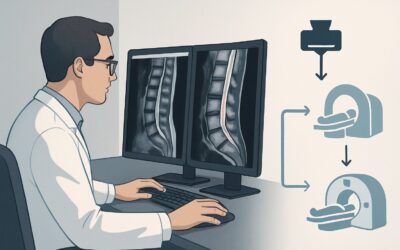
ACR-guided imaging workflow for Suspected spine infection (such as epidural abscess or discitis osteomyelitis), with new or worsening back or neck pain, wi

ACR-guided imaging workflow for Breast cancer screening. Transmasculine (female-to-male) patient with reduction mammoplasty or no chest surgery, 25 to 30 y
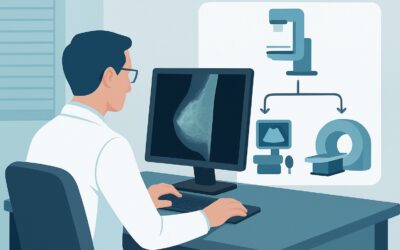
ACR-guided imaging workflow for Breast cancer screening. Transmasculine (female-to-male) patient with reduction mammoplasty or no chest surgery, 30 years o
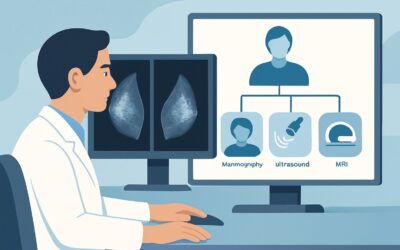
ACR-guided imaging workflow for Breast cancer screening. Transmasculine (female-to-male) patient with reduction mammoplasty or no chest surgery, 40 years o

ACR-guided imaging workflow for Breast cancer screening. Transmasculine (female-to-male) patient with bilateral mastectomies (“top surgery”) at any age and

ACR-guided imaging workflow for Breast cancer screening. Transfeminine (male-to-female) patient, 25 to 30 years of age or older with no hormone use (or hor

ACR-guided imaging workflow for Breast cancer screening. Transfeminine (male-to-female) patient with no hormone use (or hormone use less than 5 years) at a