

Which Imaging Study Is Best for Suspected Adult Hypopituitarism?
ACR-guided imaging workflow for Adult. Suspected or known hypofunctioning pituitary gland (hypopituitarism, growth hormone deficiency, growth deceleration,
ACR-guided imaging workflow for Adult. Suspected or known hypofunctioning pituitary gland (hypopituitarism, growth hormone deficiency, growth deceleration,

ACR-guided imaging workflow for Suspect penetrating trauma with a foreign body in the soft tissues in the hand or wrist. Initial radiographs are negative.
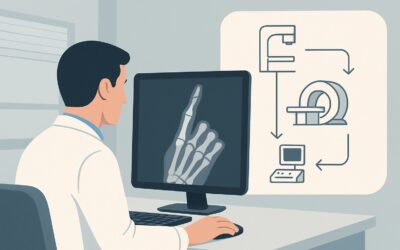
ACR-guided imaging workflow for Initial radiographs showing metacarpophalangeal, proximal interphalangeal, or distal interphalangeal joint malalignment in

ACR-guided imaging workflow for Acute hand fracture on radiographs. Suspect hand tendon or ligament trauma. Next imaging study. (Acute Hand and Wrist Traum

ACR-guided imaging workflow for Initial radiographs showing distal radioulnar joint or carpal malalignment in the absence of fracture. Next imaging study.

ACR-guided imaging workflow for Acute wrist fracture on radiographs. Suspect wrist tendon or ligament trauma. Next imaging study. (Acute Hand and Wrist Tra

ACR-guided imaging workflow for Suspect acute hand or wrist trauma. Initial radiographs negative or equivocal. Next imaging study. (Acute Hand and Wrist Tr

ACR-guided imaging workflow for Acute blunt or penetrating trauma to the hand or wrist. Initial imaging. (Acute Hand and Wrist Trauma): recommended study,
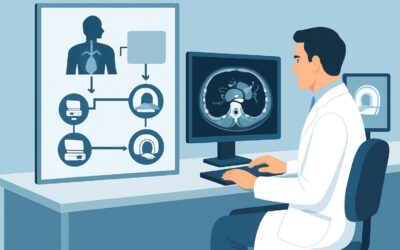
ACR-guided imaging workflow for Asymptomatic abdominal aortic aneurysm surveillance (without repair). (Abdominal Aortic Aneurysm Follow-up (Without Repair)
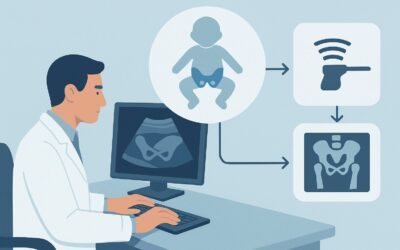
ACR-guided imaging workflow for Child, younger than 6 months of age. Known diagnosis of DDH, nonoperative surveillance imaging in harness. (Developmental D