
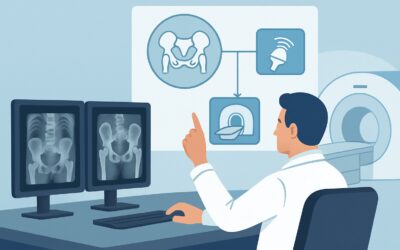
What Is the Best Initial Imaging for DDH in an Infant Between 4 and 6 Months?
ACR-guided imaging workflow for Child, between 4 to 6 months of age. Concern for DDH. Initial imaging. (Developmental Dysplasia of the Hip-Child): recommen
ACR-guided imaging workflow for Child, between 4 to 6 months of age. Concern for DDH. Initial imaging. (Developmental Dysplasia of the Hip-Child): recommen

ACR-guided imaging workflow for Child, between 4 weeks to 4 months of age. Equivocal physical examination or risk factors for DDH. Initial imaging. (Develo
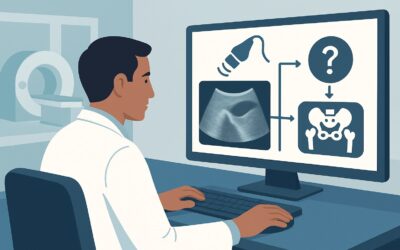
ACR-guided imaging workflow for Child, younger than 4 weeks of age. Equivocal physical examination or risk factors for DDH. Initial imaging. (Developmental

ACR-guided imaging workflow for Adult. Suspected cervicogenic headache. No neurologic deficit. Initial imaging. (Cervical Pain or Cervical Radiculopathy):
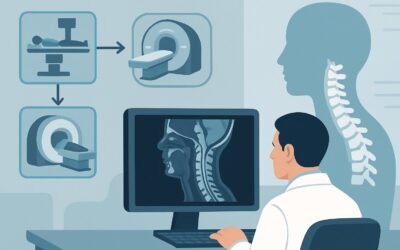
ACR-guided imaging workflow for Adult. Diagnosis of malignancy with acute or increasing cervical pain or radiculopathy. No trauma. Initial imaging. (Cervic
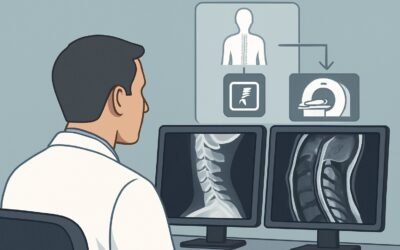
ACR-guided imaging workflow for Adult. Acute or increasing cervical pain with radiculopathy. No trauma or “red flags.” Initial imaging. (Cervical Pain or C

ACR-guided imaging workflow for Adult. Acute or increasing cervical pain without radiculopathy. No trauma or “red flags.” Initial imaging. (Cervical Pain o
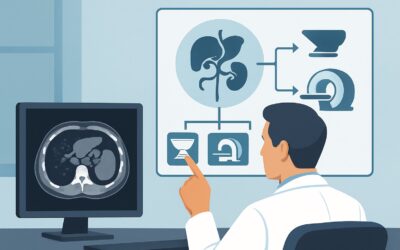
ACR-guided imaging workflow for Jaundice. Suspected mechanical obstruction based on initial imaging, clinical condition, or laboratory values. (Jaundice):

ACR-guided imaging workflow for Jaundice. No known predisposing conditions. Initial imaging. (Jaundice): recommended study, differential, downstream pathwa

ACR-guided imaging workflow for Age 16 years or older. Acute cervical spine blunt trauma. No unstable injury demonstrated initially, but kept in collar for