

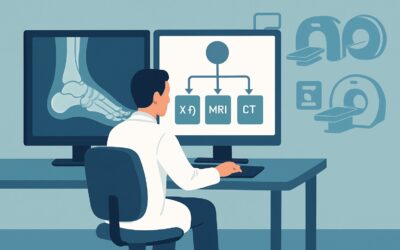
What Imaging Is Best for a Suspected Lisfranc Injury After Normal Radiographs?
ACR-guided imaging workflow for Adult or child older than 5 years of age. Acute trauma to the foot. Suspect Lisfranc injury, tendon injury, or occult fract
Part of the imaging decision system doctors were never taught to navigate at speed: which study to order, which protocol, and what the published appropriateness guidance actually says for MSK imaging. Plain-English references, scenario by scenario.
ACR-guided imaging workflow for Adult or child older than 5 years of age. Acute trauma to the foot. Suspect Lisfranc injury, tendon injury, or occult fract
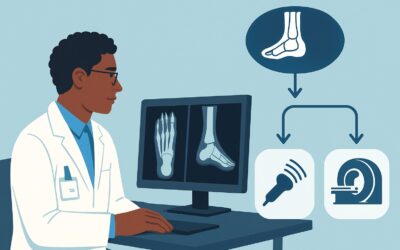
ACR-guided imaging workflow for Adult or child older than 5 years of age. Acute trauma to the foot. Ottawa rules can be evaluated without exclusionary crit
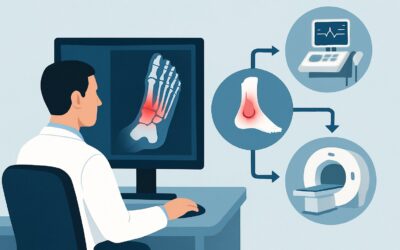
ACR-guided imaging workflow for Adult or child older than 5 years of age. Acute trauma to the foot. Ottawa rules cannot be evaluated due to exclusionary cr
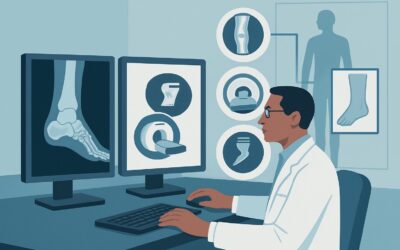
ACR-guided imaging workflow for Adult or child older than 5 years of age. Acute trauma to the foot. Ottawa rules can be evaluated without exclusionary crit
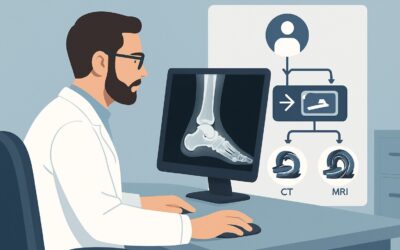
ACR-guided imaging workflow for Adult or child older than 5 years of age. Acute trauma to the foot. Ottawa rules can be evaluated without exclusionary crit

ACR-guided imaging workflow for Adult or child. Suspected primary bone tumor. Lesion on radiographs. Indeterminate or aggressive appearance for malignancy.

ACR-guided imaging workflow for Major blunt trauma. Hemodynamically stable. Pregnant patient. Initial imaging. (Major Blunt Trauma): recommended study, dif
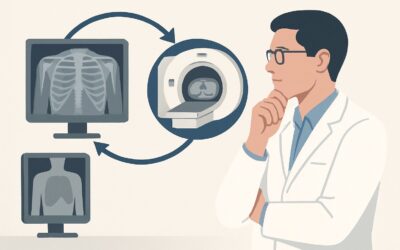
ACR-guided imaging workflow for Adult. Major blunt trauma. Hemodynamically stable. Suspected chest trauma. Initial imaging. (Major Blunt Trauma): recommend
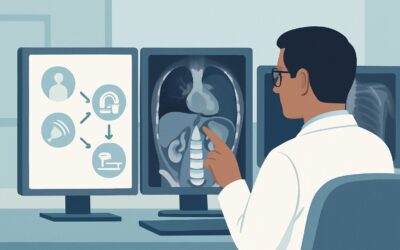
ACR-guided imaging workflow for Adult. Major blunt trauma. Hemodynamically stable. Suspected urinary system trauma. Initial imaging. (Major Blunt Trauma):
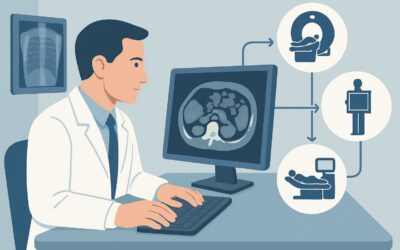
ACR-guided imaging workflow for Adult. Major blunt trauma. Hemodynamically stable. Suspected bowel or mesenteric trauma. Initial imaging. (Major Blunt Trau