


What Is the Best Imaging for Chronic Elbow Pain Refractory to Treatment?
ACR-guided imaging workflow for Chronic elbow pain. Suspect chronic epicondylalgia or tendon tear. Refractory to empirical treatment. Radiographs normal or
Part of the imaging decision system doctors were never taught to navigate at speed: which study to order, which protocol, and what the published appropriateness guidance actually says for MSK imaging. Plain-English references, scenario by scenario.
ACR-guided imaging workflow for Chronic elbow pain. Suspect chronic epicondylalgia or tendon tear. Refractory to empirical treatment. Radiographs normal or

ACR-guided imaging workflow for Males and females greater than or equal to 50 years of age. Suspected osteoporosis. Advanced degenerative changes of the sp

ACR-guided imaging workflow for Initial imaging for premenopausal females or males less than 50 years of age. Individual with risk factors that could alter
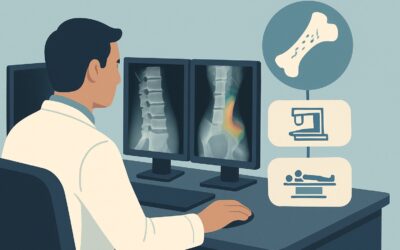
ACR-guided imaging workflow for Osteoporosis screening or initial imaging of clinically suspected low bone mineral density. (Osteoporosis and Bone Mineral
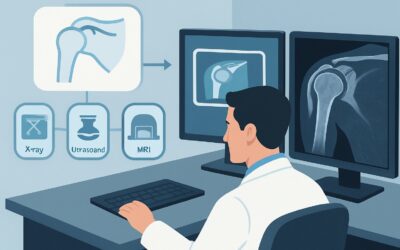
ACR-guided imaging workflow for Symptomatic patient with a primary shoulder arthroplasty, infection excluded. Suspected rotator cuff tear or other soft tis

ACR-guided imaging workflow for Inflammatory back pain. Suspected axial spondyloarthritis. Additional imaging following radiographs. Next imaging study. (I
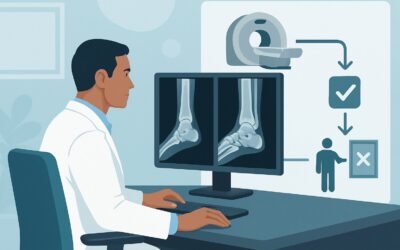
ACR-guided imaging workflow for Adult or child 5 years of age or older. Acute trauma to the ankle. Radiographs negative for osseous injury and physical exa
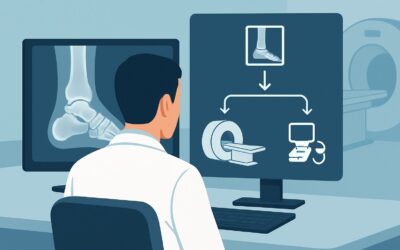
ACR-guided imaging workflow for Adult or child 5 years of age or older. Acute trauma to the ankle. No exclusionary criteria present. Radiographs demonstrat
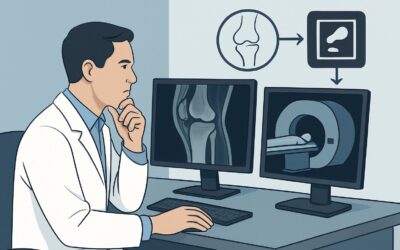
ACR-guided imaging workflow for Adult or skeletally mature child. Fall or acute twisting trauma to the knee. No fracture seen on radiographs. Suspect occul
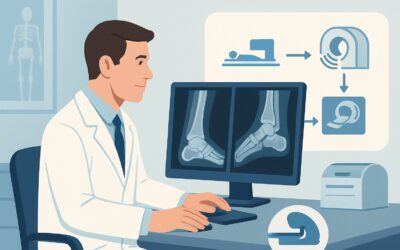
ACR-guided imaging workflow for Adult or child older than 5 years of age. Acute trauma to the foot. Suspect penetrating trauma with a foreign body. Radiogr