
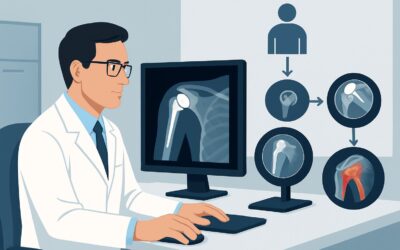
What Imaging Is Best for Routine Asymptomatic Shoulder Arthroplasty Follow-Up?
ACR-guided imaging workflow for Routine follow-up of the asymptomatic patient with a primary shoulder arthroplasty. (Imaging After Shoulder Arthroplasty):
ACR-guided imaging workflow for Routine follow-up of the asymptomatic patient with a primary shoulder arthroplasty. (Imaging After Shoulder Arthroplasty):
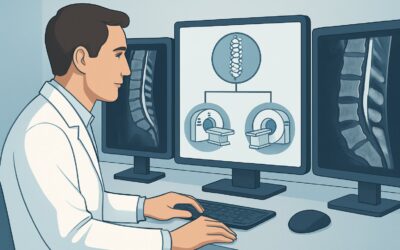
ACR-guided imaging workflow for Known axial spondyloarthritis. Follow-up for treatment response or disease progression. (Inflammatory Back Pain: Known or S
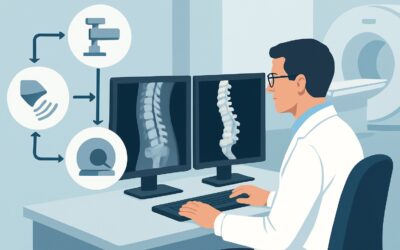
ACR-guided imaging workflow for Axial spondyloarthritis with spine ankylosis. Suspected fracture. Initial imaging. (Inflammatory Back Pain: Known or Suspec
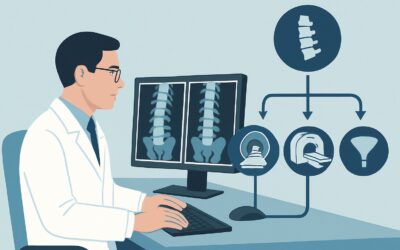
ACR-guided imaging workflow for Inflammatory back pain. Suspected axial spondyloarthritis. Negative radiographs and negative MRI of the sacroiliac joints.

ACR-guided imaging workflow for Inflammatory back pain. Suspected axial spondyloarthritis. Initial imaging. (Inflammatory Back Pain: Known or Suspected Axi
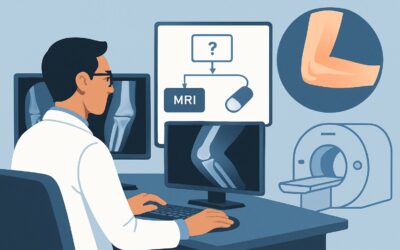
ACR-guided imaging workflow for Chronic elbow pain. Suspect occult stress fracture or other bone abnormality. Radiographs normal or nonspecific. Next imagi
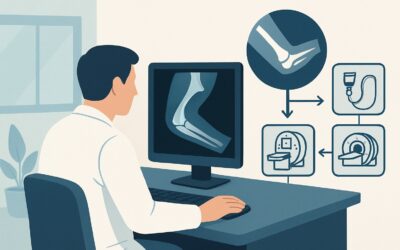
ACR-guided imaging workflow for Chronic elbow pain with mechanical symptoms such as locking, clicking, or limited range of motion. Suspect intra-articular
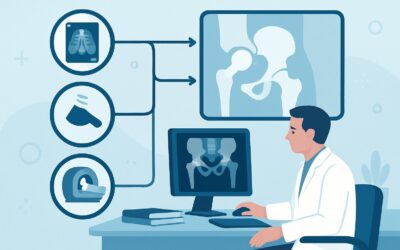
ACR-guided imaging workflow for Routine follow-up of the asymptomatic patient after hip arthroplasty. (Imaging after Total Hip Arthroplasty): recommended s

ACR-guided imaging workflow for Adult or child 5 years of age or older. Acute trauma to the ankle with persistent pain for more than 1 week but less than 3

ACR-guided imaging workflow for Adult or child 5 years of age or older. Acute trauma to the ankle. Exclusionary criteria are present (eg, neurologic disord